Understanding Attractiveness: What It Truly Means
Attractiveness is a complex concept that varies significantly across cultures and personal preferences. In today’s society, attractiveness often intertwines with self-esteem, social status, and personal identity. Many people seek to understand their attractiveness through various means, including online tests that provide numerical scores based on certain physical traits. Such tests have gained popularity, not just for entertainment, but also as tools for self-reflection and personal improvement. When exploring options, test attractiveness through various platforms can yield diverse insights into how individuals perceive their own beauty and how they are perceived by others.
Defining Attractiveness in Today’s Society
Attractiveness is often defined by societal standards that encompass physical appearance, behavior, and even personality traits. Factors such as body shape, facial symmetry, and grooming practices play significant roles in how we assess attractiveness. Moreover, cultural influences and media representation can shape our views on what constitutes beauty, leading to varying interpretations of attractiveness around the world.
The Psychology Behind Attractiveness Ratings
Psychological studies indicate that attractiveness can affect many life aspects, including job opportunities, social interactions, and romantic relationships. Research suggests that humans are naturally inclined to favor symmetrical features, as they are often associated with genetic fitness and health. Furthermore, cognitive biases, such as the halo effect, can lead people to perceive those deemed attractive as possessing other positive traits, such as intelligence and kindness.
Common Misconceptions About Attractiveness Tests
Many misconceptions surround attractiveness tests, including the belief that they provide a definitive measure of one's beauty. In reality, these tests often rely on algorithms that assess specific facial features, which can overlook the subjective nature of beauty. Additionally, factors like lighting, camera angles, and personal mood at the time of taking the test can significantly impact the results.
How to Test Attractiveness: Step-by-Step Guide
Selecting the Right Online Test for You
Choosing the appropriate attractiveness test can be crucial for obtaining meaningful results. Several platforms offer varying methods of analysis, from AI-driven assessments to more subjective quizzes. It's essential to read reviews and understand the methodologies used by these tests to select one that aligns with your expectations.
Preparing for Your Attractiveness Test: Best Practices
To achieve the most accurate results from an attractiveness test, consider the following preparation tips:
- Choose a well-lit, neutral background for your photo.
- Avoid heavy makeup or filters that might alter your natural appearance.
- Take multiple photos to ensure you capture your best angles.
- Be relaxed and authentic in your expression.
Interpreting Your Results: What Do They Mean?
After receiving your attractiveness score, interpret the results with a critical mind. Understand that while these scores can provide insight into certain features, they do not define your overall worth or beauty. Use this information to identify aspects you may want to enhance rather than as a measure of your self-worth.
Factors That Influence Your Attractiveness Score
Facial Symmetry: Importance and Impact
Facial symmetry plays a crucial role in attractiveness ratings. Research suggests that people generally perceive symmetrical faces as more attractive. This preference may stem from evolutionary factors that associate symmetry with health and genetic fitness. However, it’s essential to remember that beauty is subjective and that many find unique features attractive.
Understanding the Golden Ratio and Beauty
The golden ratio, a mathematical ratio often found in nature, has been historically linked to beauty. In facial proportions, adherence to this ratio can enhance perceptions of attractiveness. While not everyone meets these proportional standards, many art and design principles are based on this concept, influencing societal beauty standards.
How Personal Grooming Affects Attractiveness
Personal grooming can significantly affect one's attractiveness. Simple changes, such as hair styling, skincare, and fashion choices, can enhance how others perceive you. Investing time in grooming not only improves physical appearance but also boosts self-confidence, positively influencing social and professional interactions.
Real-Life Applications: Using Attractiveness Scores Wisely
Boosting Self-Confidence Through Self-Assessment
Using attractiveness tests wisely can boost self-esteem. Understanding your scores in the context of personal development allows for positive growth. Rather than focusing solely on numerical values, use your results to encourage self-improvement, whether in physical appearance or personal style.
Leveraging Attractiveness Insights for Social Interactions
Insights gained from attractiveness tests can inform your social interactions. Understanding the traits that people find attractive may help in refining social skills and improving first impressions. It’s also essential to acknowledge that attractiveness is just one aspect of social dynamics, and personality traits play a significant role in building relationships.
Adjusting Personal Style Based on Attractiveness Feedback
Receiving feedback about your attractiveness can help refine your personal style. Consider how clothing, accessories, and grooming affect perceptions of your attractiveness, and tailor your choices to enhance features that receive favorable ratings. Experimenting with styles can lead to a more confident version of yourself.
Future Trends in Attractiveness Testing: What's Ahead for 2026?
The Role of AI in Enhancing Attractiveness Evaluation
As technology progresses, AI continues to evolve in its role within attractiveness testing. Future algorithms may provide even more nuanced insights by analyzing facial expressions alongside physical features. This evolution can lead to more personalized and psychologically aware evaluations, allowing users to receive feedback that resonates on a deeper level.
Emerging Standards and Metrics for Beauty Assessment
With the rise of diverse beauty standards, new metrics are likely to emerge in attractiveness assessments. Future tests may incorporate broader definitions of beauty that embrace unique features, different body types, and cultural diversity. As society evolves, these standards will likely reflect changing attitudes toward self-image and beauty.
How Social Media Influences Perceptions of Attractiveness
Social media platforms play a vital role in shaping perceptions of attractiveness. As influencers and celebrities showcase varying beauty standards, followers may internalize these ideals. Understanding the implications of social media on self-image and societal beauty norms is essential for promoting healthy self-esteem in today’s digital age.
How can I test my attractiveness?
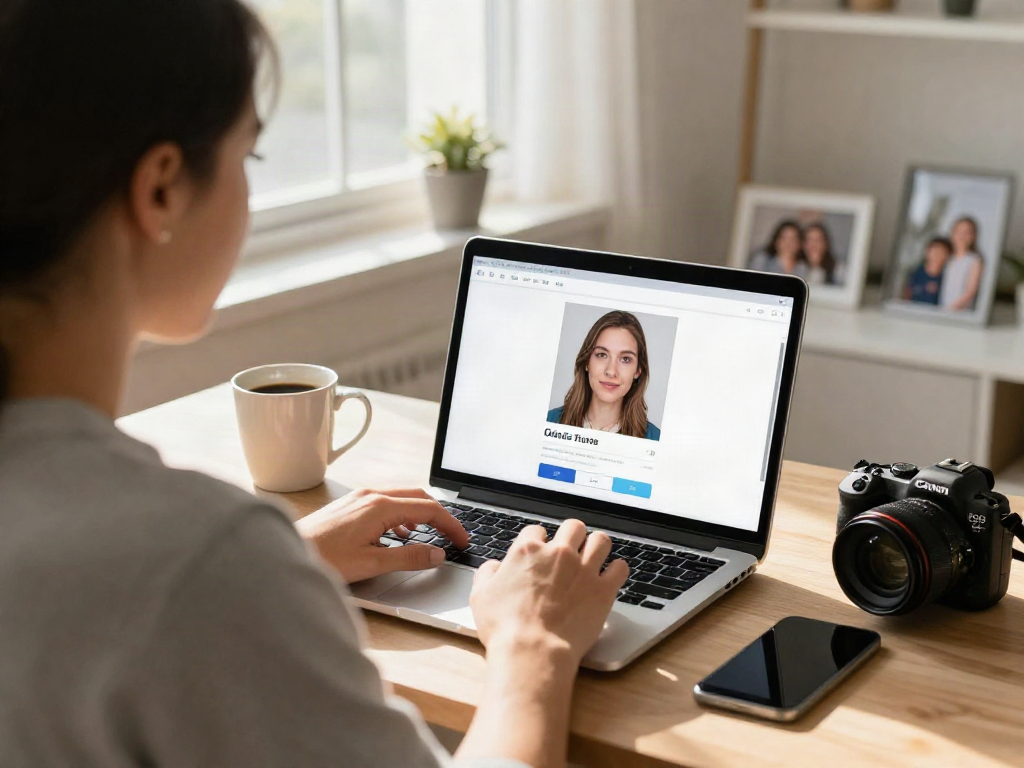
Testing your attractiveness can be done through various online platforms that offer AI-generated assessments. Uploading a clear photo and following the site's instructions will yield a score reflecting certain facial features and symmetry.
Is 7 out of 10 considered attractive?
A score of 7 out of 10 is generally considered attractive, but perceptions may vary. It’s essential to remember that attractiveness is subjective, and self-acceptance tends to be more important than numerical ratings.
Is there an accurate attractiveness test?
While many tests claim accuracy, it's important to approach results critically. Each test uses different criteria, so results can vary significantly. A comprehensive approach includes self-reflection and understanding personal preferences in beauty.
Is a 6.5 out of 10 attractive?
A score of 6.5 out of 10 is often perceived as attractive, although personal opinion plays a significant role in how one assesses beauty. Ultimately, confidence and comfort with oneself are more influential than any score.
What factors affect attractiveness ratings?
Attractiveness ratings can be influenced by various factors, including facial symmetry, grooming, personal style, and even cultural ideals. Understanding these elements can help individuals navigate their own perceptions of beauty.