Understanding Scissor Lift Basics
What is a Scissor Lift?
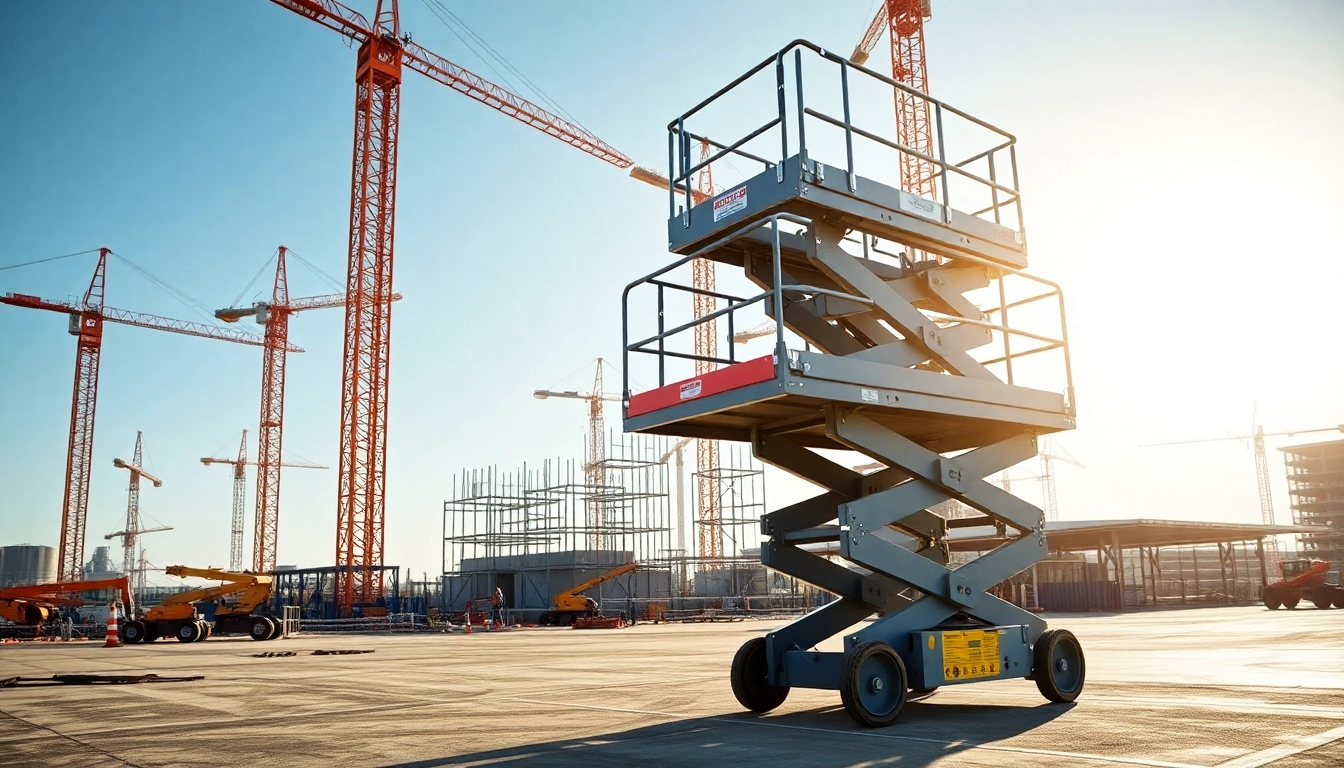
A scissor lift is a versatile piece of aerial work platform equipment that uses a crisscross mechanism to lift the platform vertically. This innovative design allows for significant height elevation while maintaining stability, making it an excellent choice for various tasks. Typically used in construction, maintenance, and warehousing, the platform can accommodate personnel and equipment, enhancing productivity on the job site. Whether you need to reach high ceilings for installation or conduct repairs, a scissor lift can be an invaluable asset in your toolkit.
Benefits of Using a Scissor Lift
- Height Accessibility: Scissor lifts are capable of reaching impressive heights, often between 10 to 70 feet, which allows workers to access hard-to-reach areas safely.
- Enhanced Stability: The scissor mechanism provides a stable platform, which is crucial for executing tasks where balance and safety are prioritized.
- Maneuverability: Many models are designed to fit into tight spaces, making them ideal for both indoor and outdoor environments.
- Cost-Effectiveness: Renting a scissor lift can be more economical for temporary projects compared to purchasing one outright.
- Reduced Labor Costs: With a scissor lift, fewer personnel are needed to perform tasks at height, reducing overall labor costs.
Common Applications of Scissor Lifts
Scissor lifts are utilized across various industries and applications, including:
- Construction: Ideal for installing drywall, electrical work, and painting at elevated heights.
- Warehouse Operations: Used for inventory management, shelving, and maintenance tasks in large storage facilities.
- Facility Maintenance: Perfect for reaching HVAC systems, lighting installations, and cleaning high windows.
- Events and Staging: Employed for setting up stages, lighting, and other installations that require height.
Choosing the Right Scissor Lift
Types of Scissor Lifts
Understanding the different types of scissor lifts available can help you make an informed decision. The main categories include:
- Electric Scissor Lifts: Best for indoor use, these models operate quietly and emit no emissions, making them ideal for confined spaces.
- Rough Terrain Scissor Lifts: Designed to navigate uneven surfaces, these lifts typically feature larger tires and more robust build quality to handle outdoor conditions.
- Slab Scissor Lifts: These models are characterized by their lower ground clearance and are typically suitable for flat surfaces.
Factors to Consider When Renting
When selecting a scissor lift for rent, keep the following factors in mind:
- Load Capacity: Ensure that the lift can support both personnel and the tools or materials needed for the job.
- Height Requirements: Assess the maximum height required for your tasks to choose an appropriate lift model.
- Terrain Type: Consider whether the lift will be used indoors or outdoors and the specific surface conditions it will encounter.
- Rental Duration: Know how long you'll need the lift, as this can influence rental costs significantly.
How to Determine Lift Height Needs
To accurately determine the required lift height:
- Assess the Work Area: Measure the height of the area where the work will be performed.
- Consider Arm Reach: Factor in the reach of personnel to ensure they can safely access the work zone.
- Account for Safety Margins: Always choose a lift with a greater height than what you calculate to include safety allowances.
Safety Guidelines for Using Scissor Lifts
Pre-operation Safety Checks
Before using a scissor lift, it's essential to perform a series of safety checks:
- Inspect the lift’s condition, including hydraulic fluid levels, tires, and electrical components.
- Check the operator's manual to ensure all safety features are operational.
- Confirm stability zones are free from obstructions and hazards.
Operating Protocols
Following established operating procedures can mitigate risks:
- Always wear appropriate personal protective equipment (PPE).
- Do not exceed the maximum load capacity of the lift.
- Keep the platform tidy and free from tools and materials that could cause a tripping hazard.
Emergency Measures and Training
Prepare for emergencies with the following best practices:
- Ensure all operators are trained and certified in scissor lift operation and safety protocols.
- Have an emergency action plan ready, accessible to all personnel working with the lift.
- Regularly review emergency procedures with all staff to ensure readiness in case of an incident.
Scissor Lift Rental Process
How to Rent a Scissor Lift
Renting a scissor lift involves several steps:
- Choose a Rental Company: Research potential rental companies with a good reputation and favorable terms.
- Select Your Lift: Based on your project needs, pick the type and model of the scissor lift.
- Complete Documentation: Fill out any required forms and provide necessary identification and payment information.
Cost Considerations for Rentals
The total cost of renting a scissor lift can vary based on:
- Duration of Rental: Costs can accumulate daily, weekly, or monthly.
- Type of Lift: Electric lifts may differ in price from rough terrain models.
- Delivery Fees: Depending on the rental service, you may incur additional fees for delivery and pickup.
Return Policy and Procedures
Understanding how to return a rented scissor lift is crucial:
- Inspect the lift to ensure it's in proper working condition before returning it.
- Follow the company’s outlined procedures for returns, including any required cleaning or documentation.
- Be aware of your rental agreement's terms regarding late returns and potential penalties.
Advanced Tips for Scissor Lift Efficiency
Maximizing Productivity on Site
Enhancing productivity while using a scissor lift can be achieved by:
- Planning lift movements in advance to reduce idle time.
- Using scissor lifts in tandem when multiple teams need to operate at height.
- Regularly maintaining the scissor lift for optimal performance.
Maintaining Your Scissor Lift
To ensure longevity and efficiency of scissor lifts:
- Conduct routine checks on hydraulic systems and tire pressure.
- Keep the equipment clean and free of debris, particularly the undercarriage.
- Schedule regular professional inspections and servicing.
Utilizing Scissor Lifts for Unique Projects
Scissor lifts can be adapted for various unique applications:
- Transforming spaces for events or theatrical productions where stage height adjustments are necessary.
- Investing in customization options like specialized platform attachments for unique job requirements.
- Employing scissor lifts for landscaping projects, providing aerial assistance for tree trimming and maintenance.
FAQs About Scissor Lifts
1. What is the maximum height a scissor lift can reach?
The maximum height of a scissor lift typically ranges from 10 to 70 feet, depending on the model.
2. Can scissor lifts be rented for short periods?
Yes, most rental companies offer options for daily, weekly, or monthly rentals based on your project needs.
3. Are scissor lifts safe for indoor use?
Absolutely! Electric scissor lifts are designed for indoor operations, providing stability and minimal noise.
4. What types of terrains can scissor lifts navigate?
Scissor lifts can be designed for both smooth and rough terrains. Rough terrain models are equipped for challenging landscapes.
5. How do I know which type of scissor lift to rent?
Consider the elevation needed, load capacity, surface conditions, and whether the job is indoors or outdoors to make your selection.