Understanding Integrated Modular Systems: A Comprehensive Overview
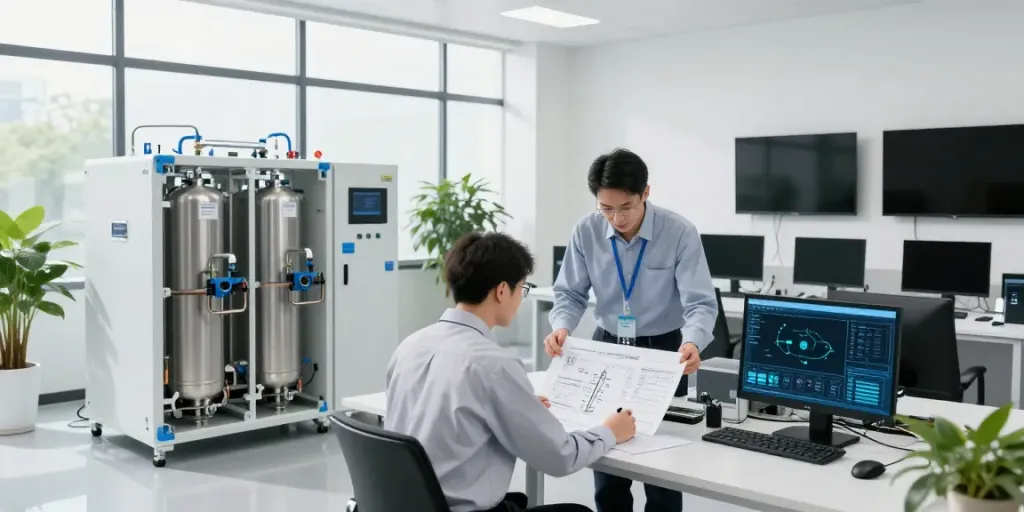
Integrated Modular Systems (IMS) represent a revolutionary approach to designing and implementing cohesive frameworks for various industrial applications, particularly within the realm of water treatment. These systems are engineered to combine multiple functional modules into a unified structure, enhancing operational efficiency and scalability. As the industry's demands evolve, so too do the solutions that address them. By exploring Integrated Modular Systems, professionals can gain insight into how these innovative designs can tackle complex challenges with agility and precision.
Definition and Key Features of Integrated Modular Systems
At its core, an Integrated Modular System is a construction or operational model that incorporates various modules designed to work in concert. This design philosophy emphasizes flexibility, allowing for easy expansion, modification, and integration with existing frameworks. Key features of IMS include:
- Modularity: Each component can function independently or as part of a larger system, providing customization options.
- Easier Maintenance: Modular components can be replaced or serviced without significant disruption to the overall system.
- Scalability: Systems can be easily scaled up or down based on usage requirements, allowing for cost-effective adaptations.
- Enhanced Performance: With specialized modules, the overall efficiency and performance of the system are maximized.
Components of QILEE’s Integrated Modular Systems
QILEE specializes in developing a wide range of Integrated Modular Systems tailored specifically for water treatment. Their offerings encompass:
- Integrated Membrane Water Treatment Systems: These systems utilize advanced membrane technology to purify water efficiently.
- Chemical Treatment Systems: Expertly designed to manage chemical dosing for optimal treatment processes.
- DAF Integrated Treatment Systems: QILEE’s Dissolved Air Flotation (DAF) systems are compact, offering high performance for various wastewater types. They integrate chemical dosing and sludge dewatering features, making them suitable for applications demanding reliable operation.
- Sludge Dewatering Modular Systems: These systems are focused on reducing water content in sludge, enabling safer disposal and better resource recovery.
Applications in Water Treatment and Beyond
Integrated Modular Systems have found widespread applications not only in water treatment but also in sectors like food processing, pharmaceuticals, and municipal wastewater management. Their modularity allows for tailored solutions that can address specific industry challenges, making them ideal for environments requiring strict compliance with regulations and efficiency standards.
Core Benefits of Integrated Modular Systems for Water Treatment
Cost Efficiency and Space Optimization
Integrated Modular Systems are designed with cost efficiency in mind. By utilizing modular components, facilities can optimize space and reduce operational costs. These systems are typically smaller than traditional setups, requiring less floor space while still maintaining operational effectiveness. Moreover, the scalability of modular systems allows for incremental investment—facilities can start with essential modules and expand as needed, averting the need for upfront capital investments in large, traditional systems.
Enhanced Performance and Reliability
The performance of Integrated Modular Systems often surpasses conventional systems due to their focused design. Each module is optimized for specific processes, leading to enhanced treatment outcomes, higher throughput, and greater reliability. Additionally, QILEE’s solutions are known for their high maturity and stable performance, making them a trusted option for industries that require robust and dependable systems.
Flexibility and Scalability in Various Applications
One of the standout features of Integrated Modular Systems is their inherent flexibility. These systems can be easily modified or expanded to accommodate changing needs or technological advancements. For instance, as new regulations regarding wastewater treatment emerge, facilities can integrate additional modules that meet these requirements without overhauling the entire system. This adaptability is vital in today’s fast-paced industrial environment.
Common Challenges and Misconceptions in Modular System Implementation
Addressing Operational Limitations and Maintenance Needs
While Integrated Modular Systems offer numerous benefits, some challenges can arise during implementation. A common misconception is that modular systems are less robust than traditional systems. In reality, many modular designs are engineered with durability and high performance in mind. Operational limitations, such as the need for regular maintenance, can be mitigated through proper training and understanding of the system's needs.
Understanding the Initial Investment vs. Long-term Gains
Initial investment costs for Integrated Modular Systems may appear high compared to traditional approaches. However, when evaluating total cost of ownership, the long-term savings in operational costs, maintenance, and efficiency often outweigh upfront expenses. Facilities should consider these factors when assessing the viability of switching to a modular system.
Combatting Misunderstandings About Modular Design
Despite the advantages, misconceptions about modular design can hinder acceptance. Some believe that modular systems lack integration capabilities. In contrast, Integrated Modular Systems are designed to operate seamlessly with existing infrastructures, providing a bridge to new technologies while leveraging the strengths of current systems.
Real-World Applications: Case Studies of Success
Successful Implementation in Industrial Wastewater Treatment
Numerous industries have successfully implemented Integrated Modular Systems to tackle wastewater challenges. For example, a manufacturing facility faced stringent regulations regarding effluent quality. By adopting QILEE’s modular wastewater treatment solution, they improved compliance rates and reduced operational costs by 30% within the first year.
Case Study: Municipal Water Treatment Solutions
A municipal water treatment facility utilized an Integrated Modular System to enhance its capacity and efficiency. Initially constrained by outdated equipment, the facility transitioned to a modular solution that allowed for phased upgrades. The result was a 40% increase in processing capacity, significantly improved water quality, and a notable reduction in energy consumption.
Innovations Driven by Integrated Modular Systems
Innovation is at the heart of Integrated Modular Systems. By continuously evolving their designs, manufacturers are integrating the latest technologies, such as real-time monitoring and IoT capabilities, to optimize performance further. These innovations ensure that modular systems remain at the forefront of water treatment and industrial applications.
Future Trends: Where Integrated Modular Systems are Heading
Emerging Technologies in Modular Water Treatment Solutions
The future of Integrated Modular Systems in water treatment looks promising, with advancements in technology driving innovation. Emerging technologies such as AI-driven optimization and enhanced filtration methods are being integrated into modular designs, allowing for smarter, more efficient operations.
Forecasting the Impact of Climate Change on Modular Systems
As climate change presents new challenges, Integrated Modular Systems will need to adapt. Increased regulation concerning water quality and availability will necessitate flexible solutions that can quickly respond to changing environmental conditions. Modular systems are particularly well-suited to these requirements, thanks to their inherent scalability and adaptability.
Preparing for 2026: Sustainable Practices and Innovations
By 2026, sustainability will be an even greater focus for Integrated Modular Systems. As industries face pressure to reduce their ecological footprints, modular systems will serve as a critical component of sustainable practices. This includes the integration of renewable energy sources and waste-to-energy technologies, highlighting the potential for modular systems to contribute positively to environmental goals.
What is an example of a modular system?
An example of a modular system can be seen in prefabricated housing, where individual sections are constructed off-site and then assembled on location. This concept parallels Integrated Modular Systems, where individual functional modules are designed to serve specific purposes and can easily be integrated into larger systems.
How much does a modular system cost?
The cost of a modular system varies significantly based on the complexity of the design, the materials used, and the specific application. However, due to their efficiency and scalability, many organizations find that the long-term savings often justify the initial investment.
What is modular integrated construction?
Modular integrated construction refers to building methods that utilize pre-manufactured, factory-built modules that are transported to the construction site for assembly. This method improves construction time, reduces waste, and enhances quality control, similar to the benefits seen in integrated modular systems for water treatment.
What is the difference between modular and integrated design?
While modular design refers to the use of interchangeable components that can stand alone or work together, integrated design emphasizes the seamless combination of various systems into a cohesive unit. Integrated Modular Systems embody both philosophies, providing flexibility, adaptability, and enhanced performance in various applications.
What are the future trends in integrated modular systems?
The future trends in integrated modular systems include a greater focus on sustainability, advancements in technology integration, and an increasing ability to adapt to regulatory changes and environmental challenges. Furthermore, the push towards smarter manufacturing practices is likely to continue influencing the design and implementation of these systems.