Understanding Excavators: A Comprehensive Overview
Excavators are among the most versatile and essential machines used in construction, landscaping, and mining. From digging soil to lifting heavy loads, their functionality is critical for many projects. Understanding how to effectively utilize an excavator can significantly enhance productivity and efficiency on the job site. In this article, we will explore the myriad functions of excavators, the various types available, their essential components, and much more.
The Basics of Excavator Functionality
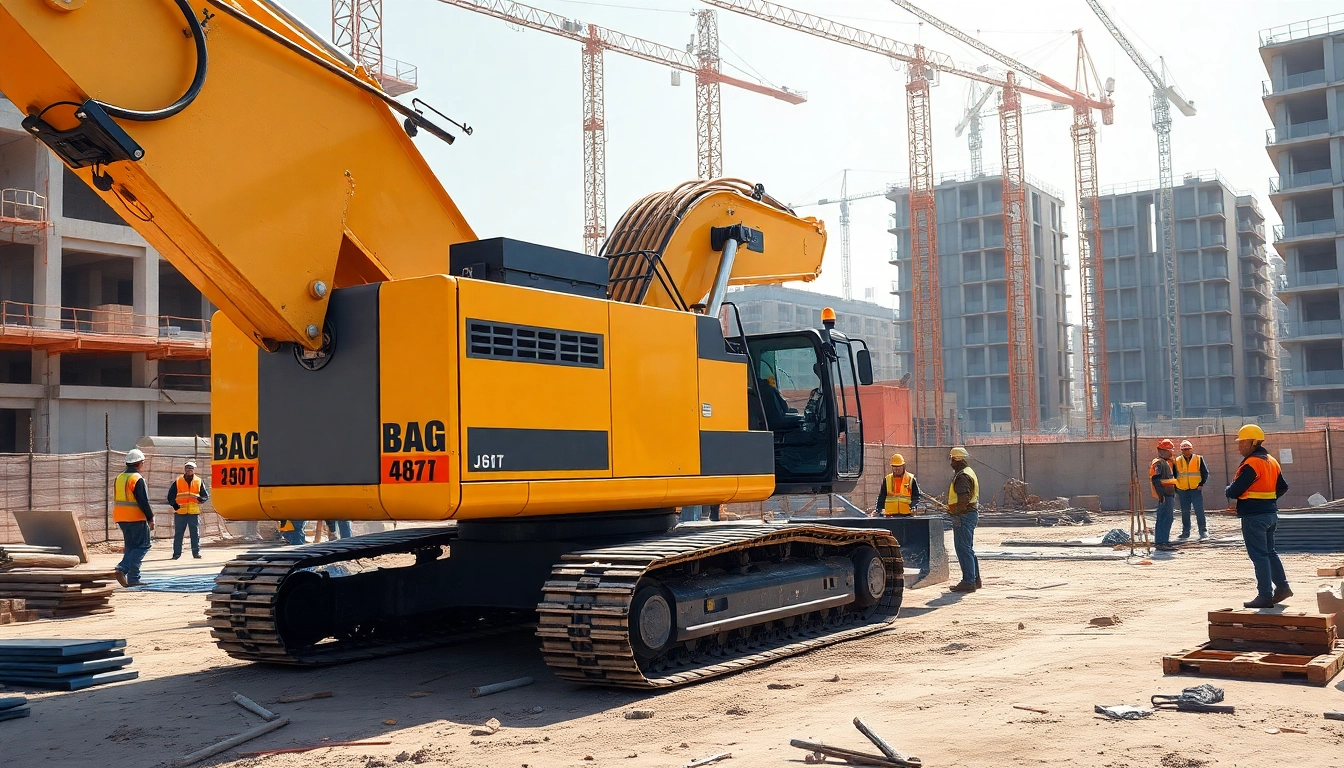
At its core, an excavator consists of a boom, dipper (or arm), bucket, and a rotating platform called the house. The primary function of an excavator is to dig, but its utility extends to lifting, moving, and placing materials thanks to its hydraulic system. The engine drives a hydraulic pump that creates pressure, allowing the operator to control the attachments with precision. Their ability to pivot 360 degrees on their base makes them highly efficient for various projects, including trenching, grading, and demolition.
Types of Excavators Available
When considering an excavator for your project, it’s crucial to understand the different types available:
- Standard Excavators: These are the most common type used for heavy-duty tasks. They come with a variety of attachments and are suitable for large-scale projects.
- Mini Excavators: Compact and highly maneuverable, mini excavators are ideal for smaller projects and residential work where space is limited.
- Long Reach Excavators: Equipped with extended booms, these excavators are perfect for working in deep trenches or over large distances.
- Hydraulic Excavators: Known for their powerful lifting capabilities, hydraulic excavators are utilized in heavy construction and mining applications.
- Wheeled Excavators: These offer the advantage of mobility, allowing operators to travel on paved surfaces and improve port and airport operations.
Key Components of Excavators Explained
Grasping the fundamental components of an excavator can enhance your understanding of how these machines operate:
- Cab: The operator's seat where controls are located, often equipped with ergonomic features for comfort during extended use.
- Boom: A large arm that extends from the house, providing the range needed to reach different depths and distances.
- Dipper Arm: Attached to the end of the boom; it works in conjunction with the bucket to scoop up and move materials.
- Bucket: The attachment at the end of the dipper, used for digging and transporting material; different shapes and sizes are available for various tasks.
- Track or Wheels: The base of the excavator that provides mobility, with options for tracks or wheels depending on the terrain.
Assessing Your Project Requirements
Before renting an excavator, it is crucial to assess your project requirements comprehensively. Different projects will necessitate varying specifications and equipment capabilities.
Evaluating Soil and Terrain Types
The nature of the soil and terrain directly affects the performance of an excavator. Assessing whether the soil is rocky, clayey, or sandy helps in determining the necessary attachments and the power of the `excavator`. For instance, if you are working in rocky soil, a sturdy bucket designed for tougher conditions will be required. Additionally, consider the slope and stability of the terrain, as these will determine the type of excavator suitable for safe operation.
Determining Project Scope and Size
The scale of your project is another critical factor. Large-scale construction can benefit from full-sized excavators which have more power and reach, while smaller projects may only need a mini excavator. Clearly define the dimensions of the area needing excavation and the volume of material that needs to be moved, as this will help narrow down your options significantly.
Understanding Load Capacity
Each excavator has a specific load capacity that dictates how much weight it can lift and move safely. Exceeding this capability can result in damage to the machine or create unsafe working conditions. Understanding load capacity will allow you to select the appropriate excavator for your project needs while ensuring safety on the job site.
Cost Considerations When Renting an Excavator
Renting an excavator comes with various cost considerations that are vital to understand to stay within budget and prevent unexpected expenses.
Budgeting for Rentals
The first step when considering rental costs is to establish a budget. Rentals typically include daily, weekly, or monthly rates, which can vary widely based on the type and size of the excavator. Ensure to gather quotes from multiple providers to compare prices and check for any included benefits, such as maintenance services.
Assessing Rental Duration and Fees
Rental duration impacts overall costs significantly. Longer rental periods may come with discounts but also require careful planning to ensure the excavator is used effectively throughout the duration. Additionally, consider associated fees like delivery and pickup, which may inflate overall rental expenses.
Hidden Costs to Watch Out For
When budgeting for your excavation project, it is crucial to account for hidden costs such as insurance, maintenance fees, and potential damage coverage. These may not be explicitly included in the rental agreement, so it's wise to clarify the terms beforehand. Its also beneficial to review the rental company’s policies regarding fuel and damages to avoid any unexpected charges.
Proper Usage and Best Practices for Excavators
To ensure safety and efficiency when operating an excavator, adhering to best practices is essential.
Safety Protocols When Operating Excavators
Safety should always be your number one priority when operating an excavator. Here are protocols to keep in mind:
- Conduct pre-operation checks to ensure the machinery functions correctly.
- Always wear appropriate personal protective equipment, including helmets, gloves, and safety boots.
- Follow manufacturer guidelines for operation and maintenance.
- Be aware of your surroundings and maintain communication with ground personnel to avoid accidents.
Maintenance Tips for Longevity
Regular maintenance can prolong the life of an excavator. Here are some essential tips:
- Regularly inspect hydraulic fluids and replace them as necessary.
- Keep the tracks or wheels properly aligned and maintained to ensure smooth operation.
- Clean the machine after each use to prevent dirt buildup and potential damage.
- Perform checks on consumables such as filters and engine components to improve efficiency and avoid breakdowns.
Maximizing Efficiency on the Job Site
Efficiency is key to completing projects on time and under budget. Optimize your excavator usage by planning your workflow diligently. This includes scheduling tasks based on weather conditions and ensuring that all materials are readily available to avoid downtime. Leveraging attachments such as grapples or augers can also enhance your excavator's functionality, enabling you to tackle multiple tasks with a single piece of equipment.
Frequently Asked Questions About Excavators
What size excavator do I need for my project?
The size of the excavator you'll need depends on the project's scale, the volume of material to be moved, and the space available. For smaller residential projects, consider a mini excavator, while larger jobs may require a standard or heavy-duty excavator.
Are rental excavators maintained and safe?
Reputable rental companies ensure their excavators are well-maintained and regularly inspected for safety. Always check the maintenance history and ask about any certifications to confirm the machine's safety.
Can I operate an excavator without certification?
While certification is not always legally required, having proper training is crucial for safety and efficiency. Many rental companies require operators to have some form of certification or operator experience.
What are the key features of modern excavators?
Modern excavators come equipped with advanced technology like GPS, telematics, and enhanced operator controls. These developments improve accuracy, provide operational data, and boost overall productivity.
How can I improve fuel efficiency with an excavator?
Improving fuel efficiency can be achieved by minimizing unnecessary idling, using the excavator’s power settings wisely, and adhering to regular maintenance schedules to keep the machinery running optimally.