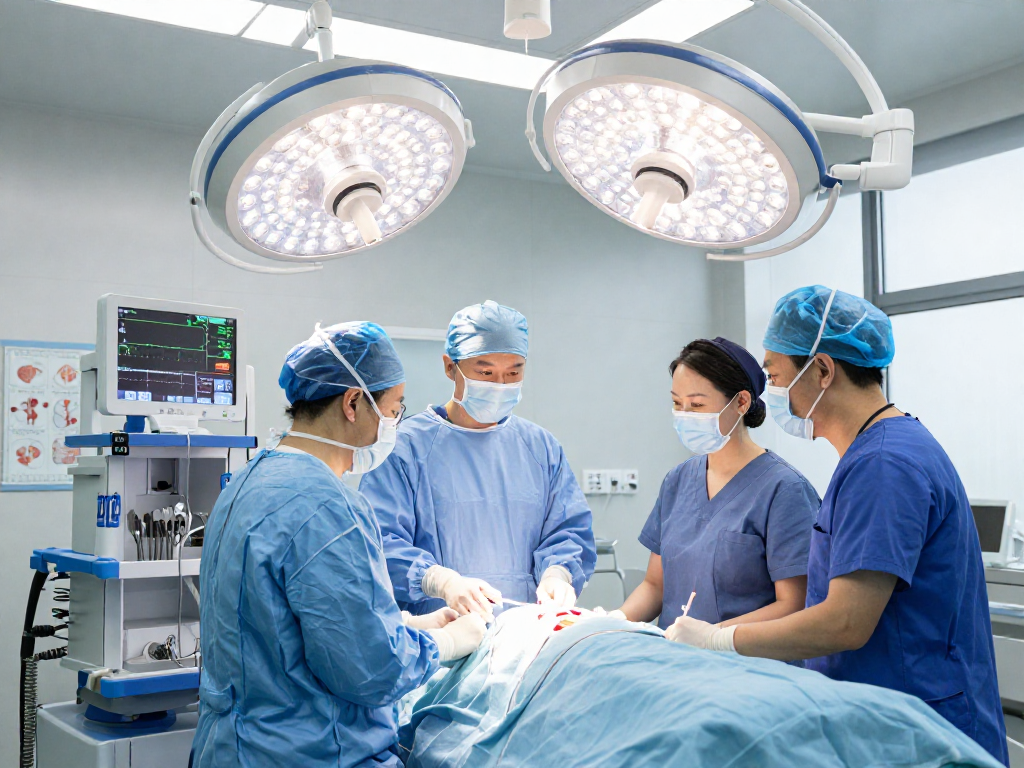
Understanding Beyin Tümörü Ameliyatı
Beyin tümörü ameliyatı is a critical procedure that encompasses the surgical removal of tumors located in the brain. This complex operation is performed to treat both benign and malignant tumors, significantly impacting patients' outcomes and quality of life. With the rapid advancements in neurosurgery, techniques have evolved to enhance surgical precision and reduce associated risks. In this article, we will explore the various facets of beyin tümörü ameliyatı, including the types of tumors, the surgical process, and post-operative care. Understanding these elements can empower patients and their families to make informed decisions regarding treatment.
What is Beyin Tümörü Ameliyatı?
Beyin tümörü ameliyatı refers to surgical techniques used to remove tumors from the brain. These tumors can originate from brain cells as primary tumors or spread to the brain from other parts of the body as metastatic tumors. The surgical approach can vary significantly depending on the type of tumor, its location, and the overall health of the patient. The primary goal of the surgery is to remove as much of the tumor as possible while minimizing damage to surrounding healthy brain tissue.
Types of Brain Tumors and Surgical Options
Brain tumors can be classified into several categories, with common types including:
- Meningiomas: Generally benign tumors arising from the meninges, the protective layers covering the brain.
- Gliomas: These tumors originate from glial cells and can be benign or malignant. The most aggressive type is Glioblastoma Multiforme (GBM).
- Metastatic tumors: Tumors that originate from cancers elsewhere in the body, such as lung or breast cancer.
Surgical options may vary from complete resection to partial removal, depending heavily on tumor type and placement within the brain.
Importance of Early Diagnosis and Intervention
Early diagnosis of brain tumors is crucial as it significantly improves treatment outcomes. Common symptoms that may prompt medical evaluation include persistent headaches, seizures, cognitive changes, and sensory disturbances. Imaging techniques like MRI or CT scans are essential for identifying tumors and planning appropriate surgical interventions. The sooner a tumor is diagnosed, the better the chances of successful surgery and recovery.
Preparing for Surgery: Key Considerations
Preoperative Assessments and Evaluations
Before undergoing a brain tumor surgery, a comprehensive preoperative evaluation is essential to assess the patient's overall health and specific risks associated with their condition. This typically includes neurological assessments, blood tests, and imaging studies. Additionally, patients may undergo a thorough discussion with their surgical team regarding the procedure, expected outcomes, and potential risks.
Patient Education and Consent Process
Informed consent is a critical step in the surgical process, ensuring that patients understand the nature of the surgery, the risks involved, and the expected recovery process. Healthcare providers should take adequate time to explain how the surgery will be performed, what to expect during recovery, and any alternatives that might be available.
Setting Expectations: Recovery and Risks
Patients and families should be well-informed about potential risks such as infection, bleeding, or neurological complications, as well as the expected recovery timeline. While some individuals may recover quickly, others might experience prolonged rehabilitation periods, depending on the complexity of the surgery and their baseline health.
The Surgical Process: What to Expect
Step-by-Step of the Surgical Procedure
The surgical procedure typically begins with the patient being placed under general anesthesia. A small incision is made in the scalp, followed by a craniotomy, where a section of the skull is removed to gain access to the brain. Once the tumor is located, surgeons utilize advanced techniques, such as intraoperative imaging and neuronavigation, to guide precise tumor removal while preserving surrounding healthy tissue.
Advanced Techniques in Neurosurgery
Modern neurosurgical procedures often incorporate advanced tools such as:
- Neuronavigation systems: These systems allow surgeons to visualize the brain in real-time, enhancing precision during the operation.
- Awake brain surgery: In certain cases, patients may be kept awake during the procedure to monitor brain function and prevent damage to critical areas responsible for speech and movement.
Role of Intraoperative Imaging Technologies
Intraoperative imaging plays a crucial role in modern neurosurgery, allowing for better visualization of the tumor and surrounding structures, thereby minimizing risks and improving outcomes. Technologies such as MRI or CT scans can be used during the procedure to assess how much of the tumor has been removed.
Postoperative Care and Recovery
Immediate Recovery Phase Monitoring
Following surgery, patients are monitored closely in a recovery unit to ensure stability and observe for any complications. Vital signs, neurological function, and overall health are evaluated continuously during this critical period.
Long-term Follow-up and Rehabilitation
Long-term follow-up is essential for assessing recovery and detecting any signs of tumor recurrence. This usually involves regular neurological assessments and imaging studies. Rehabilitation may encompass physical therapy, occupational therapy, and cognitive therapy to help patients regain lost functions.
Managing Post-surgery Symptoms and Complications
Patients may experience a range of symptoms post-surgery, including fatigue, cognitive changes, and headaches. It's vital to manage these symptoms effectively through medication, therapy, and supportive care to enhance the recovery process.
Future Trends in Beyin Tümörü Ameliyatı for 2026
Innovations in Neurosurgery Techniques
The future of neurosurgery is bright, with ongoing research leading to more precise surgical techniques and improved patient outcomes. Minimally invasive approaches are gaining popularity, reducing recovery times and complications.
Potential Advances in Imaging and Robotics
Robotic-assisted surgeries and advanced imaging technologies are expected to revolutionize how brain tumors are managed. These innovations will enhance the accuracy of tumor resection and reduce the risk of damage to healthy brain tissue.
Emerging Research and Clinical Trials
Research into targeted therapies and personalized medicine is rapidly evolving, offering hope for more effective treatments with fewer side effects. Clinical trials will play a pivotal role in testing new approaches and improving existing surgical practices.
What are the Risks Associated with Beyin Tümörü Ameliyatı?
As with any surgical procedure, beyin tümörü ameliyatı comes with inherent risks, including infection, hemorrhage, and neurological deficits. Patients should engage in thorough discussions with their surgical teams to understand these risks and weigh them against the potential benefits of surgery.
How Long is the Recovery Process after Beyin Tümörü Ameliyatı?
The recovery process can vary widely based on the type of tumor, the complexity of the surgery, and individual health factors. Generally, patients may expect a recovery period ranging from several weeks to months, with ongoing rehabilitation support aiding their return to daily activities.
What Types of Brain Tumors are Typically Treated?
A variety of brain tumors can be treated via surgical intervention, including meningiomas, gliomas, and metastatic brain tumors. The surgical approach will depend on tumor type, size, location, and the overall clinical picture.
What are Common Symptoms Leading to Surgery?
Common symptoms that may prompt the consideration of surgery include persistent headaches, seizures, cognitive difficulties, and neurological deficits. Timely intervention is key to ensuring the best possible outcomes.
Are there Non-surgical Alternatives for Treatment?
While surgery is often the most effective treatment for brain tumors, there are non-surgical alternatives such as radiation therapy and chemotherapy. For more information, beyin tümörü ameliyatı offers valuable insights. These options may be considered in cases where surgery poses excessive risk.