Understanding Biobanks and Their Importance in Cancer Research
Biobanks are invaluable resources in the fight against cancer, serving as repositories for biological samples that can fuel advancements in research and treatment. By collecting, storing, and providing access to various biological specimens, biobanks play a critical role in enhancing our understanding of cancer biology, its causes, and potential therapies. In recent years, the concept of biobanking has gained considerable attention, not just for its research applications but also for its potential in personalized medicine. When exploring options, Biobank for cancer research provides comprehensive insights into how these facilities operate and contribute to medical advancements.
What is a Biobank?
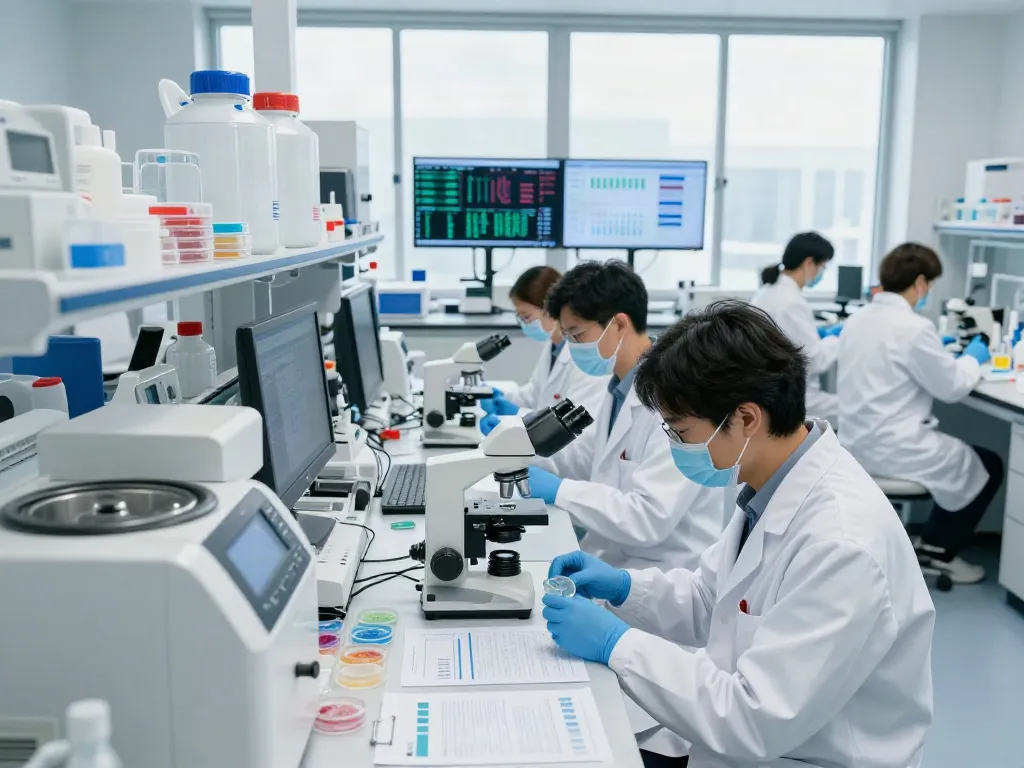
A biobank is a well-organized system that collects, processes, stores, and manages biological samples, such as blood, tissue, and DNA, along with associated health data. These samples are collected from individuals or groups participating in research studies, often with the consent of the donors. Biobanks can vary in size, scope, and purpose, and they may focus on specific diseases or populations. The primary aim of a biobank is to facilitate research by providing high-quality, well-annotated biological specimens that can be used to investigate disease mechanisms, identify biomarkers, and develop new therapeutic strategies.
Role of Biobanks in Advancing Cancer Research
Biobanks serve as critical infrastructures that support a multitude of cancer research initiatives. They enable researchers to access diverse samples that are essential for understanding cancer's complexity. Specifically, biobanks aid in:
- Identifying Biomarkers: Biobanks facilitate the discovery of biomarkers that can predict cancer progression and response to treatment.
- Studying Cancer Genetics: They provide access to genetic material, allowing researchers to unravel the genetic underpinnings of various cancers.
- Personalized Medicine: By correlating biological samples with clinical data, biobanks contribute to the development of personalized therapeutic approaches tailored to individual patient profiles.
- Conducting Clinical Trials: Biobanks can streamline patient recruitment for clinical trials, ensuring that researchers have access to the appropriate samples needed for testing new treatments.
Common Misconceptions About Biobanks
Despite their significance, several misconceptions about biobanks persist. These include:
- They are Just Tissues: Many believe biobanks only consist of tissue samples. However, they also include blood, urine, saliva, and various other biofluids.
- Accessibility is Limited: While some biobanks have specific criteria for access, many operate on a collaborative basis and offer samples to researchers worldwide.
- Biobanks are Just for Cancer: Although cancer biobanks are prominent, biobanks exist for many other diseases and health conditions.
Key Components of a Successful Cancer Biobank
Collection and Preservation of Samples
The success of a cancer biobank hinges on its ability to collect and preserve samples effectively. This process includes:
- Standardized Protocols: Utilizing standardized collection and preservation protocols ensures sample integrity and longevity.
- Environmental Controls: Samples must be stored under strict temperature and environmental controls to prevent degradation.
- Quality Assurance: Regular quality checks and audits help maintain the viability of stored samples.
Data Management and Ethical Considerations
Alongside biological samples, effective data management is crucial. Biobanks need robust systems to store and manage associated health information securely. This encompasses:
- Data Anonymization: Protecting donor identities through anonymization methods is vital for maintaining confidentiality.
- Informed Consent: Clear, transparent consent processes ensure donors understand how their samples will be used.
- Regulatory Compliance: Adhering to ethical guidelines and legislation related to biobanking is essential for ethical research practices.
Collaboration with Research Institutions
Strong partnerships with academic and research institutions enhance the biobank's impact. Collaborations can lead to:
- Multi-center Studies: Collaborating allows for larger sample sizes, which can yield more statistically significant findings.
- Shared Resources: Biobanks can share data and samples, speeding up research while reducing duplication of efforts.
- Training Opportunities: Working with academic partners provides training for researchers and ensures best practices in biobanking are followed.
Best Practices for Utilizing Biobanks in Scientific Research
Integrating Biobank Data into Cancer Studies
Utilizing biobank data effectively requires an understanding of the methodologies involved. Key strategies include:
- Data Mining: Leveraging bioinformatics tools to analyze and extract meaningful information from large datasets.
- Collaboration with Data Scientists: Partnering with data experts can help interpret complex datasets, revealing insights that might not be immediately apparent.
- Longitudinal Studies: Utilizing biobank samples for longitudinal analyses can provide insights into disease progression over time.
Case Studies: Successful Outcomes from Biobank Research
Several notable studies have demonstrated the power of biobanks in advancing cancer research. For instance:
- The UK Biobank has been instrumental in identifying lifestyle-related cancer risk factors, leading to significant public health recommendations.
- The Gundersen Cancer Biobank has contributed to discoveries related to genetic predisposition and cancer susceptibility in specific populations.
Challenges and Solutions in Biobank Utilization
While biobanks are invaluable, challenges exist, including:
- Sample Depletion: Ensuring a continuous supply of fresh samples can be difficult. Strategies include expanding recruitment efforts and developing partnerships with hospitals.
- Data Privacy Concerns: Maintaining privacy while using sensitive data remains a challenge. Implementing stringent data governance protocols can mitigate risks.
Future Trends in Biobanking for Cancer Research (2026 and Beyond)
Innovations in Biobanking Technology
Advancements in technology are set to transform biobanking in the coming years. Innovations may include:
- Automation: Automated systems for sample processing and data entry will enhance efficiency and reduce human error.
- Advanced Preservation Techniques: New methods for preserving biological materials could extend sample viability significantly.
Impact of AI and Machine Learning on Biobank Data
Artificial intelligence and machine learning applications are poised to revolutionize how biobanks analyze and utilize data:
- Predictive Modeling: AI can help develop models that predict patient outcomes based on biobank data.
- Improved Sample Analysis: Machine learning algorithms can enhance the analysis of complex biological samples, providing deeper insights into cancer biology.
Emerging Ethical Concerns and Regulatory Frameworks
As biobanks evolve, so do ethical and regulatory challenges. Future frameworks will need to address:
- Consent Evolution: The need for dynamic consent models that adapt to ongoing research developments.
- Data Ownership: Clarifying ownership rights regarding donated samples and associated research outcomes.
Frequently Asked Questions About Biobanks
What types of samples are collected in a cancer biobank?
Cancer biobanks typically collect a variety of samples, including tissue biopsies, blood, urine, and sometimes saliva. These samples facilitate diverse types of research.
How do biobanks ensure patient confidentiality?
Biobanks ensure patient confidentiality through data anonymization, secure storage practices, and stringent ethical guidelines that govern the use of samples.
What are the benefits of biobanking for cancer patients?
For cancer patients, biobanks can contribute to improved treatment options, enable participation in research, and lead to advancements in understanding their disease.
How can researchers access biobank resources?
Researchers typically need to submit a proposal detailing their study's objectives to gain access to biobank resources, ensuring alignment with the biobank's goals.
What future research developments are expected in biobanking?
Future research developments in biobanking will likely focus on integrating genetic data, utilizing AI for better analysis, and addressing ethical concerns around sample use.