Understanding Tree House Life: An Introduction
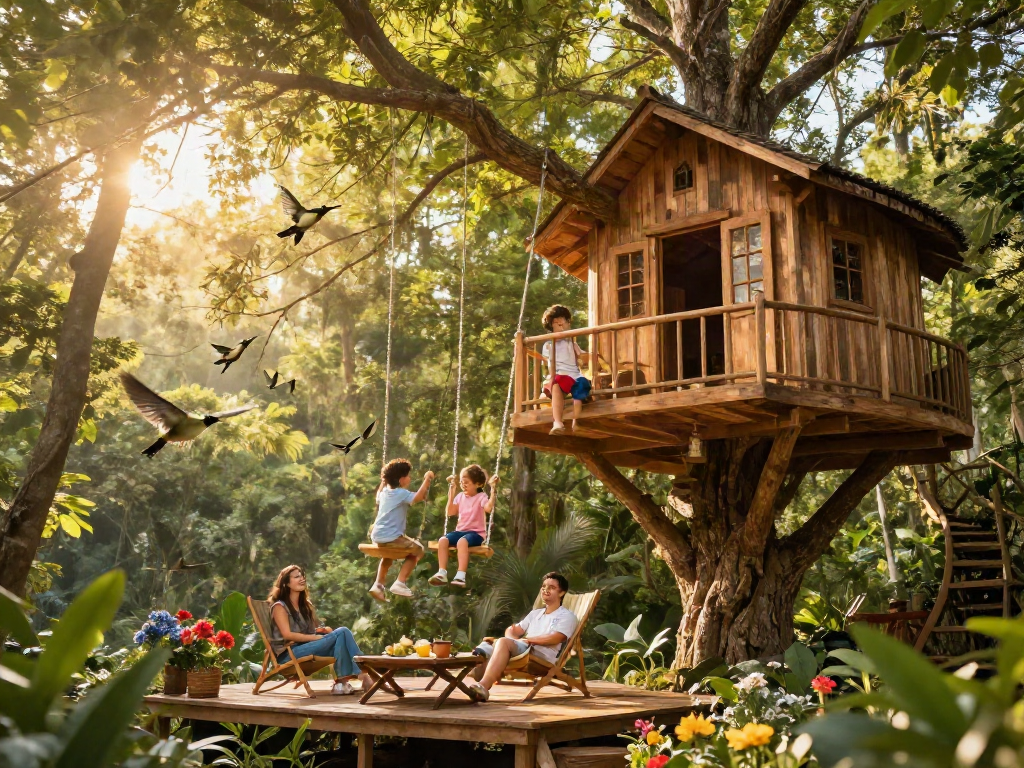
Tree house life evokes images of whimsical hideaways nestled among the branches of towering trees, offering a unique blend of adventure, serenity, and connection to nature. In recent years, the appeal of treehouses has broadened from mere childhood fantasies to becoming treasured family retreats and even full-time residences. A shift in lifestyle now encourages families to embrace the joys of living elevated, making every moment spent in nature an exciting experience.
When exploring options, tree house life provides comprehensive insights into not just building structures, but developing a lifestyle that encourages sustainability, creativity, and a deeper connection to our surroundings. This article delves into the multifaceted aspects of tree house living, from its design and benefits to practical considerations and future trends.
What is Tree House Life?
Tree house life encapsulates a lifestyle characterised by living or spending significant time in treehouses—structures built among trees that can serve as private retreats, recreational spaces, or even primary residences. These treehouses range from simple wooden platforms to luxurious designs equipped with modern amenities. They are often appreciated not just for their aesthetic appeal but also for fostering a harmonious relationship with nature.
The Appeal of Tree Houses for Families
Families are increasingly drawn to tree houses due to the myriad benefits they offer. One significant appeal is their potential to serve as a unique family bonding space, where parents and children can engage in shared activities like reading, crafting, or simply enjoying nature's beauty. Furthermore, treehouses encourage outdoor play, which is crucial for children's physical health and emotional well-being. The thrill of climbing up to a tree house enhances the sense of adventure, helping to create treasured memories for families.
Common Misconceptions About Living in Tree Houses
Despite their charm, there are several misconceptions about tree house living. Many people assume that tree houses are unsafe, primarily due to their elevated nature. However, with proper design, materials, and safety measures, treehouses can be incredibly safe. Additionally, there is a belief that treehouses are only suitable for children or summer retreats. In reality, modern treehouses can be equipped for year-round living with amenities such as heating, plumbing, and electricity, making them viable as full-time residences.
Designing Your Dream Tree House
Designing a treehouse involves thoughtful planning and creativity. The design process should prioritise functionality and aesthetic appeal while ensuring safety. Incorporating both playfulness and practicality can lead to a rewarding living space that can grow with the family.
Essential Features for Comfortable Tree House Living
A well-designed tree house should include essential features that ensure comfort and usability. These can range from:
- Spacious Interiors: Adequate floor space allows for recreational activities and a comfortable living environment.
- Natural Light: Large windows and skylights can brighten up the space, creating an inviting atmosphere.
- Outdoor Decks: Balconies or decks can enhance the usable area and provide stunning views of the surrounding landscape.
- Efficient Storage Solutions: Built-in shelving or under-floor storage can help maximise space.
Eco-Friendly Materials and Sustainable Practices
As awareness of environmental issues rises, many tree house builders are opting for eco-friendly materials and sustainable building practices. Using reclaimed wood, non-toxic finishes, and solar energy systems can reduce the ecological footprint of a tree house. These methods not only support sustainability but also enrich the living experience by immersing residents in a natural environment.
Maximising Space in Your Tree House Design
Tree houses often have limited space, requiring innovative design solutions to make the most of every inch. Consider incorporating:
- Loft Areas: A raised sleeping area can free up floor space.
- Multi-Functional Furniture: Foldable tables and convertible sofas can help save space while maintaining functionality.
- Vertical Storage: Shelving that utilises vertical space can keep belongings organised without cluttering the room.
Tree House Life Benefits for Children
The benefits of tree house living extend significantly to children, promoting not only fun but also growth and development. These environments can serve as stimulating spaces that nurture children's emotional and physical development.
Encouraging Outdoor Play and Creativity
Tree houses inspire imaginative play, encouraging children to explore their creativity. Climbing up to their hideaway can spark adventures in storytelling, role-playing, and outdoor activities like reading or sketching. The very structure fosters a sense of ownership and independence, allowing children to create their own worlds.
Social Skills Development Through Tree House Living
Having a tree house can also nurture social skills, as it often serves as a gathering spot for friends. Children learn to share, collaborate on games, and develop conflict resolution skills in this environment. These experiences are invaluable for building strong interpersonal relationships.
The Importance of Nature Connection for Kids
Living or spending time in a tree house enhances children's connection to nature, which research shows is crucial for their overall development. Exposure to nature can lead to improved focus, stronger emotional resilience, and better physical health, making tree house life an ideal setting for growing children.
Practical Considerations for Tree House Living
While the idea of living in a tree house is appealing, there are practical aspects that need to be considered for a successful transition to this unique lifestyle. Ensuring safety, functionality, and maintenance are paramount for long-term enjoyment.
Safety Measures for a Secure Tree House Environment
Safety is a primary concern for anyone considering tree house living, especially for families with children. Installing sturdy railings, non-slip surfaces, and secure ladders can enhance safety. Regular maintenance checks for wear and tear, as well as ensuring the tree's health, are crucial steps in maintaining a secure environment.
Maintenance Tips for Longevity and Durability
To ensure a tree house stands the test of time, consistency in maintenance is necessary. This includes:
- Regular Inspections: Check for signs of rot or damage in the wood and the health of the tree.
- Weatherproofing: Use weather-resistant materials and treatments to protect against the elements.
- Routine Cleaning: Keeping the tree house clean prevents pest infestations and deterioration.
Integrating Modern Amenities in Your Tree House
Modern treehouses are evolving to include various amenities to enhance comfortable living. Features such as solar panels for electricity, water collection systems, and even internet access can be integrated without compromising the rustic charm of tree living.
Future Trends in Tree House Life
As tree house life continues to evolve, several trends are beginning to shape the future of this unique lifestyle choice. These trends reflect changing values in sustainability, community living, and technological integration.
Emerging Design Trends for 2026 and Beyond
In the coming years, expect to see treehouse designs that prioritise eco-friendliness and minimalism. The use of sustainable materials will dominate, alongside designs that blend seamlessly with their natural surroundings. Open floor plans and large windows will enhance the connection to nature, making interior spaces feel expansive.
The Rise of Eco-Conscious Tree House Communities
As more families embrace treehouse living, the concept of eco-conscious communities built around shared treehouses is gaining traction. These communities focus on sustainable living practices, shared resources, and collaborative spaces that foster a sense of belonging while being mindful of environmental impact.
Innovative Technologies Enhancing Tree House Experiences
Technology is also making its way into tree house designs. Home automation systems, smart energy management tools, and sustainable living innovations are increasingly common. These technologies not only enhance convenience but also promote a more sustainable lifestyle by optimising energy consumption.
How long do treehouses last?
The longevity of a treehouse can vary significantly based on the materials used and the care it receives. With proper construction and maintenance, a treehouse can last for decades, providing a lasting legacy for families.
Can you live in a treehouse full time?
Yes, many individuals and families now choose to live full-time in treehouses, provided they are well-designed and equipped with necessary amenities. Modern treehouses can accommodate all the comforts of home, making them suitable for year-round living.
What materials are best for building a treehouse?
Choosing the right materials is vital for durability. Pressure-treated lumber, cedar, and redwood are popular choices, as they resist rot and pests. Additionally, using eco-friendly materials can create a more sustainable structure.
Are treehouses safe for children?
With the right safety measures in place, treehouses can be safe environments for children to play and explore. Installing secure access points and implementing safety checks are crucial steps for ensuring children's safety.
What are the costs involved in building a tree house?
The cost of building a treehouse can vary widely, depending on factors such as size, materials, and design. Simple structures may start at a few thousand pounds, while luxurious treehouses with modern amenities can run into tens of thousands.