Understanding Roof Cleaning: Importance and Benefits
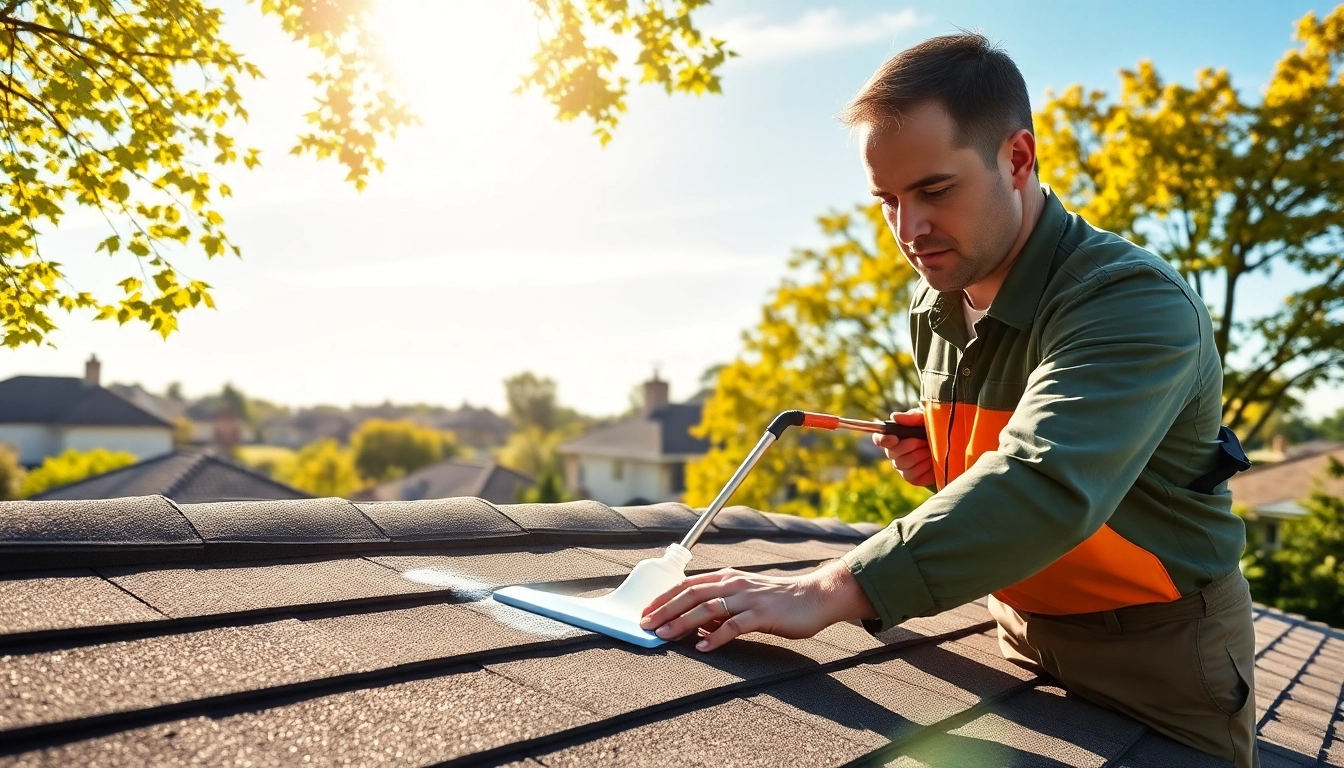
Regular maintenance of your roof is essential for the longevity of your home. One of the key components of rooftop maintenance is Roof Cleaning. This process not only enhances the aesthetic appeal of your residence but also provides structural benefits that can save you money in the long run. In this article, we will delve into the significance of roof cleaning, explore popular methods, and offer expert advice on maintaining the integrity of your rooftop.
The Lifespan of Your Roof: How Cleaning Affects Durability
Your roof is the first line of defense against the elements. Over time, various pollutants such as dirt, moss, algae, and lichen can accumulate, leading to potential damage. Regular cleaning prevents the degradation of roofing materials, which can extend the roof's lifespan significantly. Studies show that roofs that are maintained properly last up to 50% longer than those subjected to neglect.
Visual Appeal: Enhancing Home Aesthetics with Roof Cleaning
An unkempt roof can detract from your home's curb appeal. When considering the impressive impact that a clean roof can have, it’s clear why homeowners prioritize roof cleaning. A spotless roof complements other landscaping elements and can truly transform the exterior of your home. Whether you're planning to sell or simply enjoy having an attractive home, roof cleaning is a worthwhile investment.
Health Considerations: Preventing Mold and Mildew Growth
Besides aesthetics, another crucial reason for performing roof cleaning is health. Mold and mildew can thrive on roofs, especially in damp conditions. Not only can these harmful substances cause respiratory issues for inhabitants, but they can also negatively impact the structure of your home. A thorough cleaning regularly removes these health hazards, ensuring a safe living environment.
Popular Roof Cleaning Methods: Exploring Your Options
When it comes to roof cleaning, several methods can be employed. Choosing the right method often depends on the type of roofing material, the extent of the buildup, and personal preference regarding chemical usage. Here are some popular roof cleaning techniques:
Soft Washing: A Gentle Approach to Roof Cleaning
Soft washing is one of the safest and most effective methods for cleaning roofs. This technique uses low-pressure water, combined with specialized cleaning solutions to effectively remove dirt, algae, and moss without damaging the roofing materials. Soft washing is particularly recommended for shingles, tiles, and other delicate surfaces.
Pressure Washing: Pros and Cons for Roofs
Pressure washing involves utilizing high-pressure water streams to clear away debris. While this method can be effective for certain surfaces, it carries risks. Non-professional use of pressure washing can lead to damage by stripping shingles or pushing water underneath roofing materials. Thus, if pressure washing is chosen, seeking professional services is advisable.
DIY vs. Professional Services: What You Need to Know
The decision to clean your roof yourself or hire professionals depends on several factors: the condition of your roof, your comfort level with heights, and your knowledge of cleaning methods. DIY cleaning can save money but may introduce risks, especially concerning safety and potential damage. Conversely, professional services ensure thorough cleaning, the right method for your roof type, and minimize the risk of injury.
Preparing for Roof Cleaning: Steps You Should Take
Preparation is essential before embarking on roof cleaning, whether DIY or using professionals. Here are the steps you should take:
Assessing Roof Condition: When to Clean
Identifying the right time for roof cleaning is crucial. It’s generally recommended to clean your roof every 1-3 years, depending on environmental factors. Signs of needing a cleaning include visible dirt, stains, and the growth of algae or moss. Regular inspections can help spot these issues before they affect the roof's integrity.
Gathering Necessary Equipment and Materials
If you decide to perform a DIY roof cleaning, ensure you have all necessary tools and materials. This may include: a ladder, safety harness, soft wash system, biodegradable cleaning solutions, and protective gear such as gloves and goggles. Proper equipment is vital for safety and the effectiveness of the cleaning process.
Safety Tips for Roof Access and Maintenance
Safety should be a top priority when accessing your roof. Always use a sturdy ladder, and consider having a buddy system to help secure the ladder while you work. Ensure you're wearing appropriate footwear and avoid cleaning during adverse weather conditions. Protecting yourself should always be your first concern.
Post-Cleaning Care: Maintaining Your Roof After Cleaning
After your roof has been cleaned, it's important to implement maintenance strategies to prolong the results and maintain rooftop integrity:
Regular Inspections: Spotting Damage Early
Conducting regular inspections of your roof can help identify problems before they escalate. Look for signs of wear, such as missing or damaged shingles and signs of mold or mildew. The sooner you catch potential issues, the less costly the repairs will be.
Seasonal Maintenance Tips for Roof Longevity
Seasonal changes can impact your roof. After heavy storms, perform a comprehensive check to ensure no debris or damage has occurred. Additionally, during fall, consider clearing away leaves and branches that may compound roofing problems.
How Often Should You Schedule Roof Cleaning?
As previously mentioned, a good rule of thumb is to clean your roof every 1-3 years, but this can be adjusted based on your local climate conditions, trees near your home, and the type of roofing material you have. Monitoring the appearance and condition of your roof can help determine the optimal cleaning frequency for your specific situation.
Frequently Asked Questions about Roof Cleaning
What is the average cost of roof cleaning?
Roof cleaning costs vary widely based on your roof size and condition, typically ranging from $250 to $1,200 for residential homes. Getting multiple estimates can also help you gauge fair pricing.
Why is regular roof cleaning necessary?
Regular roof cleaning is vital for preventing the growth of mold and algae that can deteriorate roofing materials over time. Clean roofs also enhance your home's visual appeal, contributing to higher property value.
Can I clean my roof myself?
While DIY roof cleaning is possible, it is generally recommended to hire professionals to ensure safety and effective results. Proper technique and equipment are crucial to prevent damage.
What are the risks of not cleaning my roof?
Neglecting roof cleaning can lead to significant damage, including rot and structural issues. This deterioration ultimately results in costly repairs and reduces your roof's lifespan.
How long does a roof cleaning last?
The longevity of a roof cleaning varies based on the method used and environmental factors, lasting anywhere from 1 to 3 years. Regular maintenance can help prolong these results.