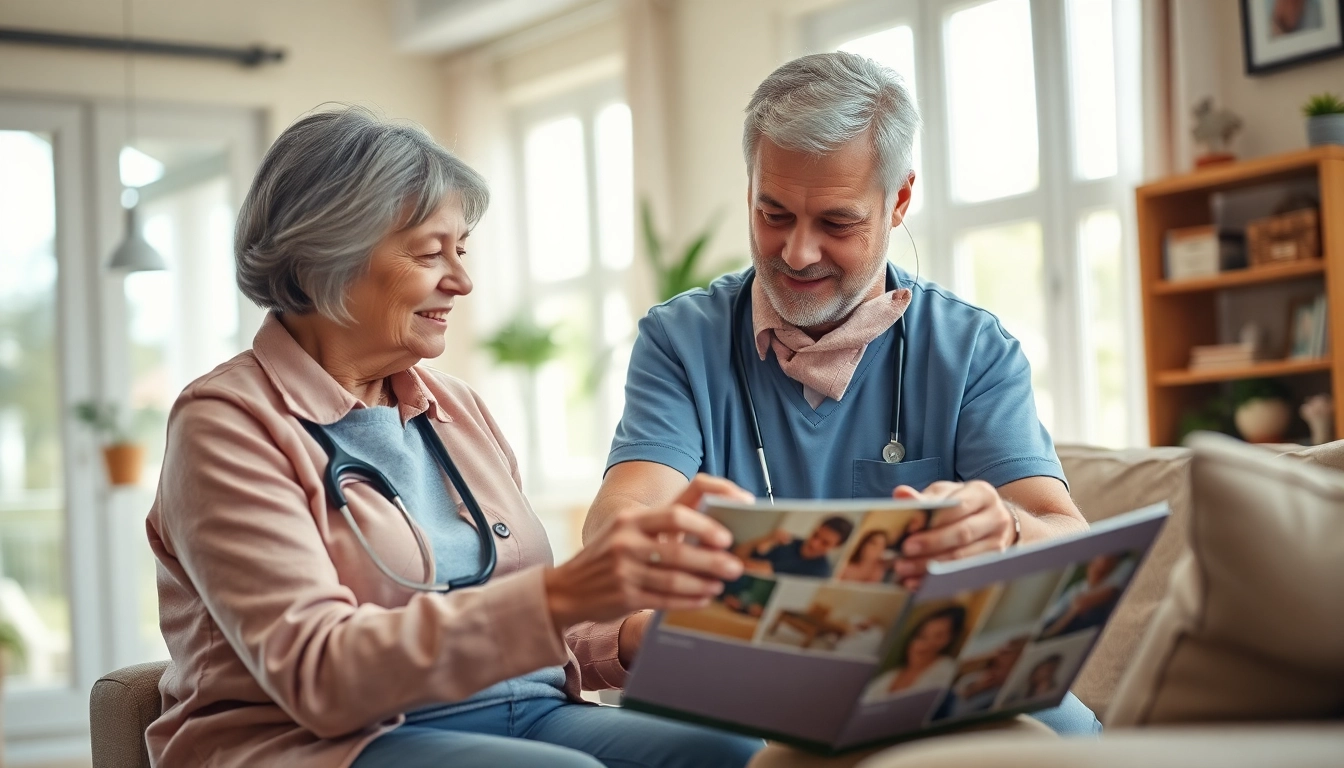
Understanding Dementia and Its Challenges
What is Dementia?
Dementia is a general term that encompasses a range of neurological disorders characterized by a decline in cognitive function. This condition affects memory, thinking skills, and the ability to perform everyday activities. While Alzheimer's disease is the most prevalent form of dementia, other types include vascular dementia, Lewy body dementia, and frontotemporal dementia. Dementia primarily impacts older adults, yet it is not a natural part of aging. With over 50 million people currently living with dementia worldwide, its prevalence is on the rise, necessitating a deeper understanding of this condition, especially concerning home help for dementia patients.
Common Symptoms and Effects
The symptoms of dementia can vary widely depending on the individual and the type of dementia they have. Common symptoms include:
- Memory Loss: This often manifests as difficulty remembering recent events or conversations.
- Difficulty Communicating: People with dementia may struggle to find the right words or follow conversations.
- Confusion and Disorientation: This includes becoming easily lost in familiar places or not recognizing important dates.
- Changes in Mood and Behavior: Individuals may experience mood swings or exhibit changes in personality.
- Judgment Issues: This can lead to poor decision-making and increased vulnerability.
As dementia progresses, these symptoms often intensify, and patients may require assistance for daily living tasks. This is why understanding the importance of home help for dementia patients is vital for caregivers and family members.
The Importance of Home Help for Dementia Patients
Home help plays a crucial role in managing dementia, as it facilitates independence while ensuring safety. Expert care can provide essential support in various areas, enhancing both the quality of life for the patient and peace of mind for the caregivers. Home help services allow dementia patients to stay in their familiar environments, which is vital for their emotional well-being. These services not only address physical needs but also provide social interaction and cognitive stimulation, which are necessary for slowing the progression of the disease.
Essential Home Help Services for Dementia Patients
Personal Care Assistance
Personal care assistance is essential for dementia patients who may struggle with activities such as bathing, dressing, grooming, and toileting. Trained caregivers can help them maintain hygiene and appearance, which can significantly affect their self-esteem and overall mental health. Establishing a routine of personal care ensures that patients feel dignified and supported. It's crucial to approach these tasks with sensitivity and respect, as many patients may feel vulnerable as they require assistance in personal spaces.
Medication Management
Managing medications effectively is critical for patients with dementia. Cognitive decline can lead to missed doses or incorrect administration of medication, which can exacerbate health issues. Home help services often include medication management, where caregivers ensure that medications are taken as prescribed. This can involve organizing pills in daily planners, setting reminders, and even monitoring side effects. With proper medication management, caregivers can help prevent hospitalizations and improve the overall health of dementia patients.
Emotional Support and Companionship
Emotional support is one of the most significant aspects of home help for dementia patients. Experienced caregivers not only assist with daily tasks but also provide companionship, reducing feelings of isolation and loneliness. Engaging conversations, participation in activities, and simple presence can help dementia patients feel valued and understood. Emotional well-being is crucial, as a positive mental state can slow cognitive decline and promote a better quality of life.
Creating a Safe Home Environment
Environmental Modifications
A safe home environment is pivotal for dementia patients. Modifications can include removing tripping hazards, ensuring proper lighting, and securing areas that could pose a danger, such as kitchens and staircases. Installing locks and alarms can provide an additional layer of security. Caregivers should also consider labeling rooms or placing reminders around the house to assist with memory challenges, making it easier for patients to navigate their space.
Safety Tips for Caregivers
Caregivers must prioritize their own safety and well-being while providing care for dementia patients. Some essential safety tips include:
- Maintain Calmness: Approaching patients with calmness can help de-escalate challenging situations.
- Use Simple Language: Clear, concise communication can facilitate understanding and reduce frustration.
- Avoid Triggers: Identify and minimize exposure to situations that may upset the patient.
- Plan for Emergencies: Having a plan in place for emergencies assures that caregivers can respond quickly.
Utilizing Assistive Technologies
Assistive technologies can enhance the safety and independence of dementia patients significantly. Devices such as GPS trackers, fall detection systems, and smart home technology can aid both patients and caregivers. These technologies not only improve safety but also encourage independence, allowing patients to engage more freely in their daily activities. For instance, automated reminders for medications or appointments can bolster routine without constant caregiver intervention.
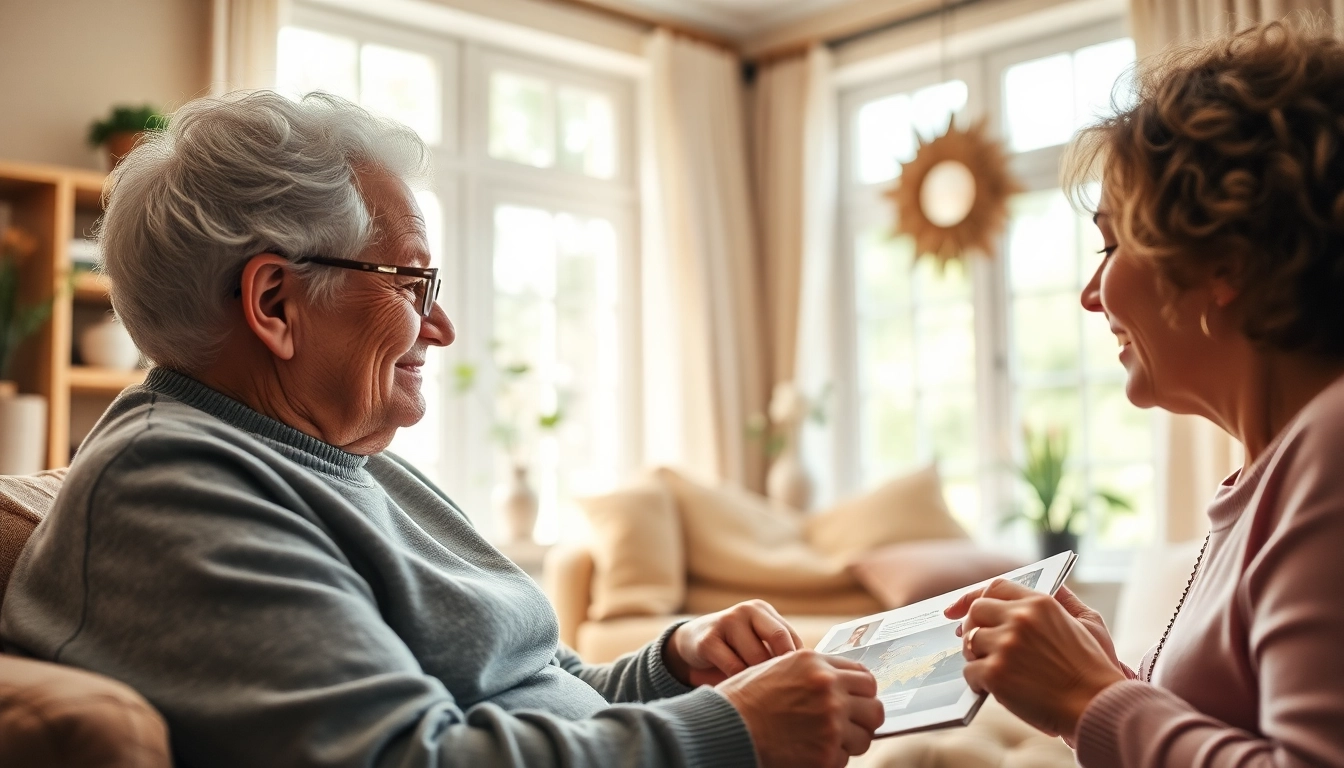
Engagement Activities for Dementia Patients
Cognitive Stimulation Techniques
Cognitive stimulation is vital for maintaining mental acuity with dementia. Activities such as puzzles, memory games, and arts and crafts can promote brain function. Even simple discussions about past events or favorite music can engage memory and stimulate cognitive activity. Caregivers should tailor activities to the individual's interests and capabilities, ensuring that they are both enjoyable and beneficial.
Physical Activity Ideas
Physical activity is important for overall health and well-being, and it can significantly impact cognitive function in dementia patients. Simple exercises like walking, dancing, or gardening can keep patients physically engaged and physically healthy. Even low-impact exercises can boost mood and facilitate better sleep patterns, making them effective components of a comprehensive care strategy. Caregivers should focus on activities that are fun and socially interactive, encouraging participation in group settings when appropriate.
Social Interaction Opportunities
Social connections are critical in combating loneliness and depression in dementia patients. Caregivers can facilitate and encourage social interaction through group activities, whether it be a book club, art class, or community events. Visiting family and friends or organizing video calls can also provide vital emotional support and foster a sense of belonging. Maintaining social ties is essential, as connections can uplift spirits and contribute positively to overall health.
Measuring the Effectiveness of Home Help
Key Performance Indicators for Care
To assess the effectiveness of home help services for dementia patients, it’s essential to establish specific key performance indicators (KPIs). Common KPIs include monitoring the patient's mood, engagement in activities, adherence to medication schedules, and overall physical health. By regularly reviewing these metrics, caregivers can adjust their strategies and interventions as needed.
Feedback from Patients and Families
Soliciting feedback from patients, family members, and caregivers can provide insights into the effectiveness of home help services. Regular check-ins and satisfaction surveys can help identify areas for improvement. Open communication fosters collaboration, allowing caregivers to tailor their approach based on the unique needs and preferences of the dementia patient.
Adapting Strategies for Improvement
Continuous improvement is vital in caregiving. When caregivers identify challenges or areas where the current strategies are ineffective, they should be prepared to adapt. This might involve changing daily routines, altering communication methods, or incorporating new activities that better engage patients. Flexibility and willingness to change are crucial for providing effective home help for dementia patients.
FAQs
What types of home help do dementia patients need?
Dementia patients often need personal care assistance, medication management, emotional support, companionship, and safety modifications to their home environment.
How can caregivers effectively communicate with dementia patients?
Caregivers should use simple, clear language, maintain eye contact, and be patient. It’s essential to minimize distractions and provide reassurance to build trust and understanding.
What activities can help stimulate a dementia patient's mind?
Activities such as puzzles, memory games, gardening, music therapy, and reminiscing about past experiences can effectively stimulate a dementia patient's cognitive function.
How can I ensure safety for a dementia patient at home?
To enhance safety, remove hazards, install proper lighting, utilize assistive technologies, and regularly assess the living space for safety concerns.
What are signs that a dementia patient needs more help?
Signs include increased confusion, difficulty with daily tasks, withdrawal from activities, changes in mood or behavior, and neglecting personal hygiene.