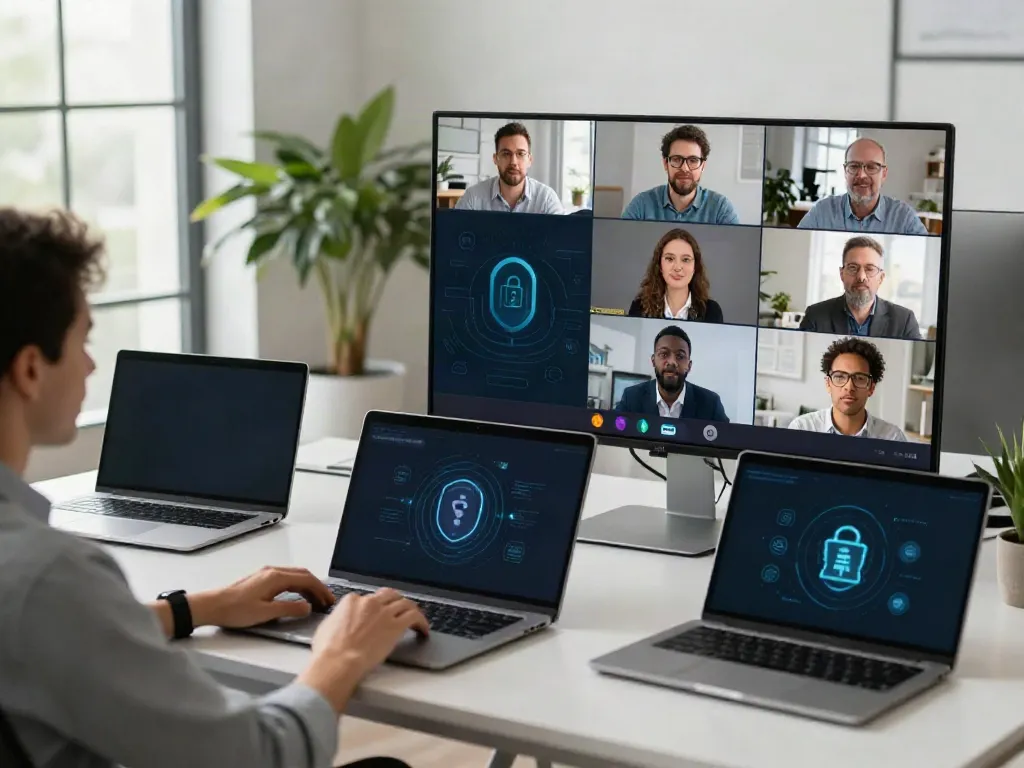
Understanding Deepfake Technology in Online Video Calls
The rise of deepfake technology has transformed the landscape of online communications, particularly in video conferencing and meetings. With the ability to manipulate video content in real time, deepfakes present unique challenges and risks that must be addressed to ensure secure interactions. Deepfake protected Online Video Calls, Meetings and Conferencing offer solutions to mitigate these risks, fostering a secure environment for remote interactions.
What Are Deepfakes and How Do They Work?
Deepfakes are synthetic media created using artificial intelligence (AI) techniques, primarily deep learning, to manipulate video and audio content. The term originates from a specific type of neural network—autoencoders—that facilitates the swapping of faces in videos or the generation of realistic audio. This technology involves training a model on a vast dataset of images and sounds of a person, allowing it to replicate their likeness and voice convincingly.
Deepfake creation typically involves several steps, including data collection, model training, and refinement. With the increasing availability of powerful computing resources and sophisticated AI tools, creating credible deepfakes has become more accessible, raising serious concerns regarding authenticity and security in virtual meetings.
The Impact of Deepfake Technology on Video Conferencing
The implications of deepfakes on video conferencing are profound. As businesses pivot to remote operations, video calls have become integral to communication. However, the potential for deepfake misuse—such as impersonating executives for fraudulent activities—poses significant risks to organizations. For instance, deepfake video calls can facilitate scams, where impostors manipulate their appearance to deceive stakeholders during critical transactions.
Moreover, the presence of deepfake technology exacerbates trust issues in remote interactions. Participants may struggle to ascertain the authenticity of their interlocutors, complicating essential activities like negotiations, hiring, and team collaboration. Consequently, there is an urgent need for innovative strategies and tools to reinforce trust in online communications.
Common Misconceptions About Deepfakes in Professional Settings
One common misconception is that deepfakes are solely used for malicious purposes, such as creating hoaxes or spreading misinformation. While this is certainly a significant concern, it's important to recognize that deepfake technology can also be leveraged positively. For example, organizations can use deepfake technology for training purposes, creating realistic simulations without exposing participants to real-life risks.
Another misconception is that deepfakes are easily detectable. While researchers are developing detection tools, the sophistication of these technologies is advancing at a rapid pace, sometimes outpacing the countermeasures. As such, relying solely on detection tools is insufficient; businesses must adopt a multilayered strategy for deepfake resilience.
Current Trends in Deepfake Protection for Virtual Meetings
Given the growing sophistication of deepfake technology and its associated threats, various trends in protective measures have emerged, aimed at fortifying online meeting security. Companies are increasingly integrating AI and machine learning tools designed to detect and mitigate the risks posed by deepfake technology.
Innovative Technologies for Securing Online Conferences
One prominent trend is the incorporation of real-time deepfake detection systems within video conferencing platforms. These technologies utilize algorithms that analyze video streams for inconsistencies—such as unnatural facial movements or mismatched audio. By deploying these systems, companies can enhance the integrity of their meetings and protect sensitive information from potential breaches.
Additionally, the development of blockchain technology offers promising solutions for verifying identities during virtual meetings. By creating immutable records of participant identities, blockchain can aid in authenticating individuals and securing transactions, thereby reducing the likelihood of fraud.
Comparative Analysis of Leading Deepfake Detection Tools
Several companies have emerged as leaders in the realm of deepfake detection, each offering unique functionalities. For example, iProov provides integrated solutions that assess the authenticity of participants during video calls using biometric indicators.
On the other hand, companies like Reality Defender focus on broader online security measures, aiming to create a safe digital environment by detecting deepfakes among various media types. In contrast, specialized tools like Deepware are tailored for video content, employing AI-driven methods to distinguish between genuine and fake media.
Evaluating these tools requires an understanding of one's specific needs—in terms of features, scalability, and ease of integration into existing workflows—helping organizations implement the most effective solution.
Real-World Applications in Secure Business Communications
Organizations are employing deepfake protection mechanisms in various sectors, from finance to healthcare. For instance, banks are utilizing real-time detection systems during video calls to authenticate customer identities before authorizing significant transactions. This not only limits the risk of fraudulent activities but also instills confidence among clients.
Similarly, in the healthcare sector, practitioners are integrating secure video conferencing solutions to discuss patient information. By ensuring that all parties are who they claim to be, healthcare providers can maintain confidentiality and comply with regulatory standards.
Best Practices for Conducting Safe and Secure Online Meetings
To effectively combat deepfake threats, businesses must implement a series of best practices that enhance the security of their online meetings.
Implementing Multi-Factor Authentication and Verification
Multi-factor authentication (MFA) is a critical component of online security. By requiring users to verify their identity through multiple methods—such as SMS codes, email confirmations, or biometric scans—organizations can significantly reduce the likelihood of unauthorized access during video calls.
Implementing additional verification measures, such as a "safe word" known only to participants, further bolsters security. This approach ensures that even if a deepfake impersonates a participant, they will be unable to bypass the verification process.
Utilizing Secure Video Conferencing Platforms
Not all video conferencing platforms are created equal. Organizations must prioritize platforms that offer built-in security features, such as end-to-end encryption and robust user authentication protocols. Additionally, companies should routinely update their software to patch vulnerabilities that could be exploited by cybercriminals.
Employee Training on Identifying Deepfake Risks
Educating employees about the risks associated with deepfakes is essential. Organizations should conduct regular training sessions that equip staff with the skills to identify suspicious behaviors during video calls and recognize potential deepfake signs, such as unnatural movements or audio-visual mismatches.
Employing a proactive approach ensures that employees are vigilant and can report any incidents, significantly reducing the risk of deepfake manipulation in professional communication.
Measuring Success: Indicators of Effective Deepfake Protection
To establish the effectiveness of a deepfake protection strategy, organizations must monitor several key performance metrics that indicate successful implementation.
Key Performance Metrics for Video Call Security
Metrics such as incident response times, the number of detected fraudulent calls, and user feedback are pivotal for evaluating security protocols. By analyzing these metrics, businesses can identify areas for improvement and gauge the overall efficacy of their protective measures.
Case Studies of Successful Deepfake Prevention Strategies
Numerous organizations have successfully implemented deepfake protection strategies. For example, a prominent financial institution reported a 75% reduction in fraudulent activities after adopting a combination of AI-driven detection tools and enhanced verification processes.
Additionally, a technology firm that integrated advanced deepfake detection mechanisms into its communications platform observed increased employee confidence in online meetings, leading to improved productivity and collaboration.
Feedback Mechanisms to Improve Security Protocols
Establishing a feedback loop is crucial for ongoing improvement. Organizations should encourage user input regarding their experiences with online meetings and the perceived effectiveness of security measures. This feedback can inform necessary adjustments and foster a culture of continuous improvement in response to evolving threats.
Future Directions: Where Is Deepfake Technology Heading?
As deepfake technology continues to evolve, so too will the strategies and technologies to combat its use in unethical manners.
Predictions for Deepfake Technology in 2026 and Beyond
Experts predict that by 2026, deepfake technology will become even more sophisticated, making it increasingly challenging to detect. Consequently, organizations must remain vigilant and adaptive, employing the latest advancements in AI and machine learning to fortify their defenses.
Additionally, there is a likelihood of regulatory frameworks emerging to govern the use of deepfake technology and impose penalties for malicious acts, further necessitating corporate compliance and ethical responsibility.
Adapting to Emerging Threats in Digital Communications
To stay ahead of threats, businesses must continually assess their risk landscapes and adapt their strategies accordingly. This involves monitoring advancements in deepfake technology, attending industry conferences, and engaging with thought leaders to share knowledge and collaborate on best practices.
Opportunities for Businesses in Deepfake Technology Integration
In the face of potential threats, there also lie opportunities. Businesses can leverage deepfake technology for positive applications, such as creating engaging marketing content or conducting realistic training simulations. Embracing these innovations—while ensuring robust protective measures are in place—can provide a significant competitive advantage in the evolving digital landscape.
Are DeepFakes actually illegal?
The legality of deepfakes largely depends on their application. While creating deepfakes for benign purposes is generally permissible, using them to defame, deceive, or commit fraud can lead to legal repercussions. Various jurisdictions are beginning to enact laws to address the challenges posed by deepfakes, especially concerning privacy and consent.
Can anyone secretly watch your video calls?
While direct surveillance of encrypted video calls is challenging, vulnerabilities in security protocols can allow unauthorized parties to access communications. Employing secure platforms and robust security practices mitigates this risk, ensuring that interactions remain private and secure.
What does deepfake protection mean?
Deepfake protection encompasses a range of measures designed to identify, prevent, and respond to deepfake threats. It includes leveraging technology to detect malicious content, employing strong verification protocols, and educating users about potential risks associated with synthetic media.