Understanding Custom Enamel Pins
Custom enamel pins have surged in popularity in recent years, becoming not only a fashionable accessory but also a powerful marketing tool. These small yet impactful items can be seen adorning jackets, bags, and hats, serving as a means of personal expression. They can reflect a brand's identity, promote causes, or simply be a creative outlet for designers and artists. When exploring options, custom enamel pins offer a diverse range of designs and styles suited for various tastes and preferences.
What are Custom Enamel Pins?
Custom enamel pins are decorative badges made using enamel—a type of paint that provides a glossy finish and durability. These pins are typically made from metal, with the design created through a stamping process that includes either soft or hard enamel. Soft enamel pins are slightly raised, while hard enamel pins are polished flat, giving them a more refined appearance. This distinction affects not only aesthetic appeal but also the overall durability of the pins.
Types of Custom Enamel Pins Available
There are several types of custom enamel pins available, catering to various needs and preferences:
- Hard Enamel Pins: Durable and polished to a smooth finish, these pins are ideal for high-quality designs.
- Soft Enamel Pins: These pins feature recessed areas filled with enamel, giving them a more textured look.
- Die Struck Pins: Pins made from metal without enamel, often featuring intricate designs.
- 3D Pins: These pins have raised designs that add depth and visual interest.
- Glow in the Dark Pins: Pins that light up in the dark, perfect for unique designs that make a statement.
The History and Evolution of Enamel Pins
Enamel pins have a rich history that dates back to ancient civilizations, where they were used as symbols of rank or to signify membership in a certain group. Over time, these pins have evolved significantly. In the late 20th century, they began to emerge as a form of artistic expression and branding, particularly within youth culture. In the digital age, custom enamel pins have become a staple for artists and businesses alike, used in marketing campaigns, merchandise, and personal collections.
Designing Your Custom Enamel Pins
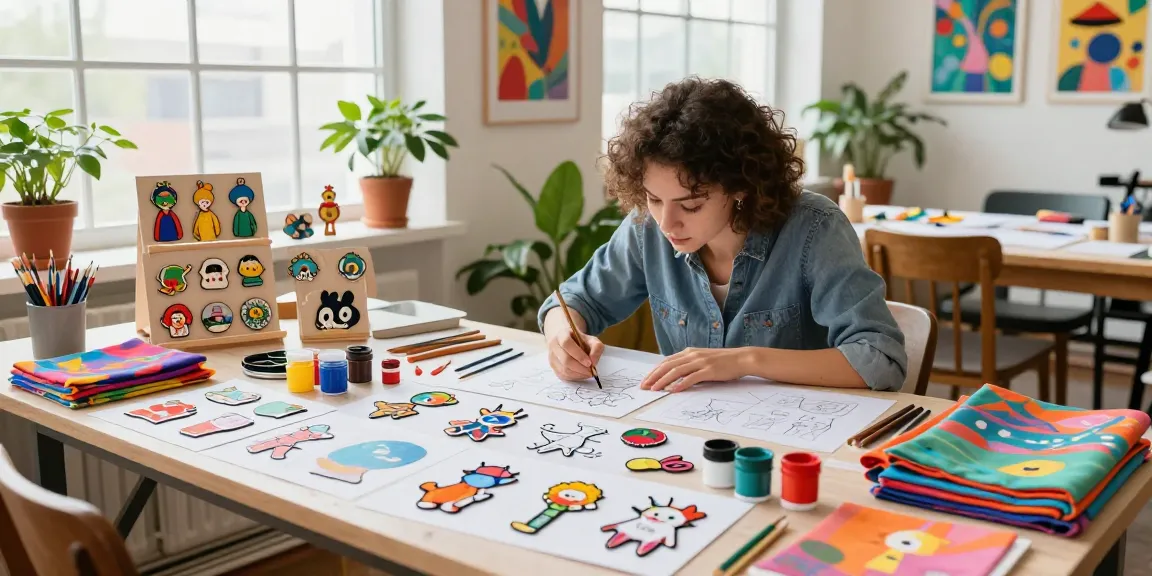
Creating your own custom enamel pins is an exciting process that allows you to bring your vision to life. The design stage is critical and requires careful consideration of various elements that contribute to the overall effectiveness and appeal of the pin.
Choosing the Right Materials and Styles
The material you choose for your enamel pins can greatly impact their durability and aesthetic. Options include brass, iron, and stainless steel, with each offering different finishes and weights. For a vibrant look, you might opt for enamel colours that resonate with your brand or intended design theme. The choice between hard and soft enamel should also align with your desired finish—hard enamel provides a polished, premium look, while soft enamel has a more playful, textured feel.
Design Considerations for Maximum Impact
Effective pin design starts with clarity. Your design should be easily identifiable at a glance, with distinct colours that stand out. Bold lines and limited colour palettes often yield the best results. Additionally, consider the size of your pin; while small pins can be cute, they might limit intricate designs. Ultimately, you want a pin that communicates your message clearly and attractively.
Common Design Mistakes to Avoid
When designing custom enamel pins, avoiding certain pitfalls can save you time and resources:
- Overly Complex Designs: Simplicity often leads to greater recognition.
- Poor Colour Choices: Ensure colours complement each other and are suitable for the intended application.
- Ignoring Size Specifications: Always check the final dimensions to ensure your design translates well to the pin format.
Production Process for Custom Enamel Pins
Understanding the production process is essential for anyone looking to create custom enamel pins. This knowledge ensures that the final product meets your expectations in terms of quality and design.
Steps in the Manufacturing Process
The production of custom enamel pins typically involves several key steps:
- Design Approval: Finalise your design and submit it for approval.
- Metal Stamping: Your design is stamped onto the chosen metal blank.
- Enamel Filling: The recessed areas are filled with enamel, either soft or hard.
- Polishing and Finishing: Pins are polished to create a smooth surface and add attachments as necessary.
Quality Control and Ensuring Durability
To ensure your pins maintain their aesthetic appeal and structural integrity, implementing strict quality control measures is crucial. This may involve inspection of the enamel filling, checking for defects, and ensuring that clasps and attachments are secure. High-quality materials can prevent wear and tear, extending the life of your pins significantly.
Understanding Different Finishing Techniques
The finishing technique applied to custom enamel pins can significantly affect their appearance. Options include:
- Polished Finish: A glossy look that enhances the vibrancy of colours.
- Matte Finish: A subtle, non-reflective finish that can give a sophisticated look.
- Antique Finish: A distressed look that adds character and vintage appeal to the pin.
Marketing and Selling Custom Enamel Pins
With the right marketing strategies, custom enamel pins can become a lucrative business venture. Knowing your target market is the first step toward effective promotion.
Identifying Your Target Market
Your target market can vary widely depending on the design and purpose of your pins. Popular demographics include:
- Fashion Enthusiasts: Individuals looking for unique accessories that showcase their personality.
- Artists and Designers: Those interested in using pins as a canvas for their creative expressions.
- Businesses and Brands: Companies seeking promotional items that increase visibility and brand loyalty.
Effective Promotional Strategies
Promoting your custom enamel pins effectively requires a mix of online and offline strategies:
- Social Media Marketing: Leverage platforms like Instagram and Pinterest to showcase your designs.
- Collaborations: Work with influencers or other brands to reach a broader audience.
- Trade Shows and Markets: Exhibit your pins at events to connect directly with potential customers.
Utilising Social Media for Brand Growth
Social media is a powerful tool for building brand awareness and engaging with customers. Create visually appealing content that highlights your pins in various contexts, showcase user-generated content, and use relevant hashtags to increase your visibility. Regularly engaging with your audience through giveaways or polls can also foster community and loyalty.
Future Trends in Custom Enamel Pins
The custom enamel pin industry continues to evolve, and staying ahead of trends is essential for success.
Emerging Trends for 2026 and Beyond
Looking towards 2026, several trends are emerging in the custom enamel pin market:
- Personalisation: Consumers are increasingly seeking unique, personalised items.
- Interactive Pins: Innovations include QR codes on pins that link to digital content.
- Themed Collections: Seasonal or themed collections that encourage repeat purchases.
The Role of Sustainable Practices in Production
As environmental awareness grows, there is an increasing demand for sustainable production practices in the custom enamel pin industry. Brands that adopt eco-friendly materials and processes will likely appeal to a broader audience concerned with environmental impacts.
Leveraging Technology in Design and Distribution
The integration of technology into design processes—including the use of graphic design software and digital fabrication techniques—allows for more intricate designs and efficient production methods. Additionally, online distribution channels make it easier than ever for brands to reach global markets.
What are the different types of enamel pins?
The main types include hard enamel pins, soft enamel pins, die struck pins, and specialty pins like glow in the dark or 3D pins, each with unique characteristics and uses.
How can I effectively market my custom enamel pins?
Effective marketing strategies involve identifying your target audience, utilising social media for engagement, participating in trade shows, and creating visually appealing promotional materials.
What materials are best for custom enamel pins?
Brass, iron, and stainless steel are popular materials used for custom enamel pins, with each offering different aesthetics and durability.
How do I price my custom enamel pins competitively?
Pricing involves considering production costs, market research, and the unique value your pins offer to consumers. It's essential to find a balance between affordability and perceived value.
What design software is best for creating pin concepts?
Programs like Adobe Illustrator, CorelDRAW, and Inkscape are excellent choices for creating detailed and scalable pin designs tailored to production specifications.