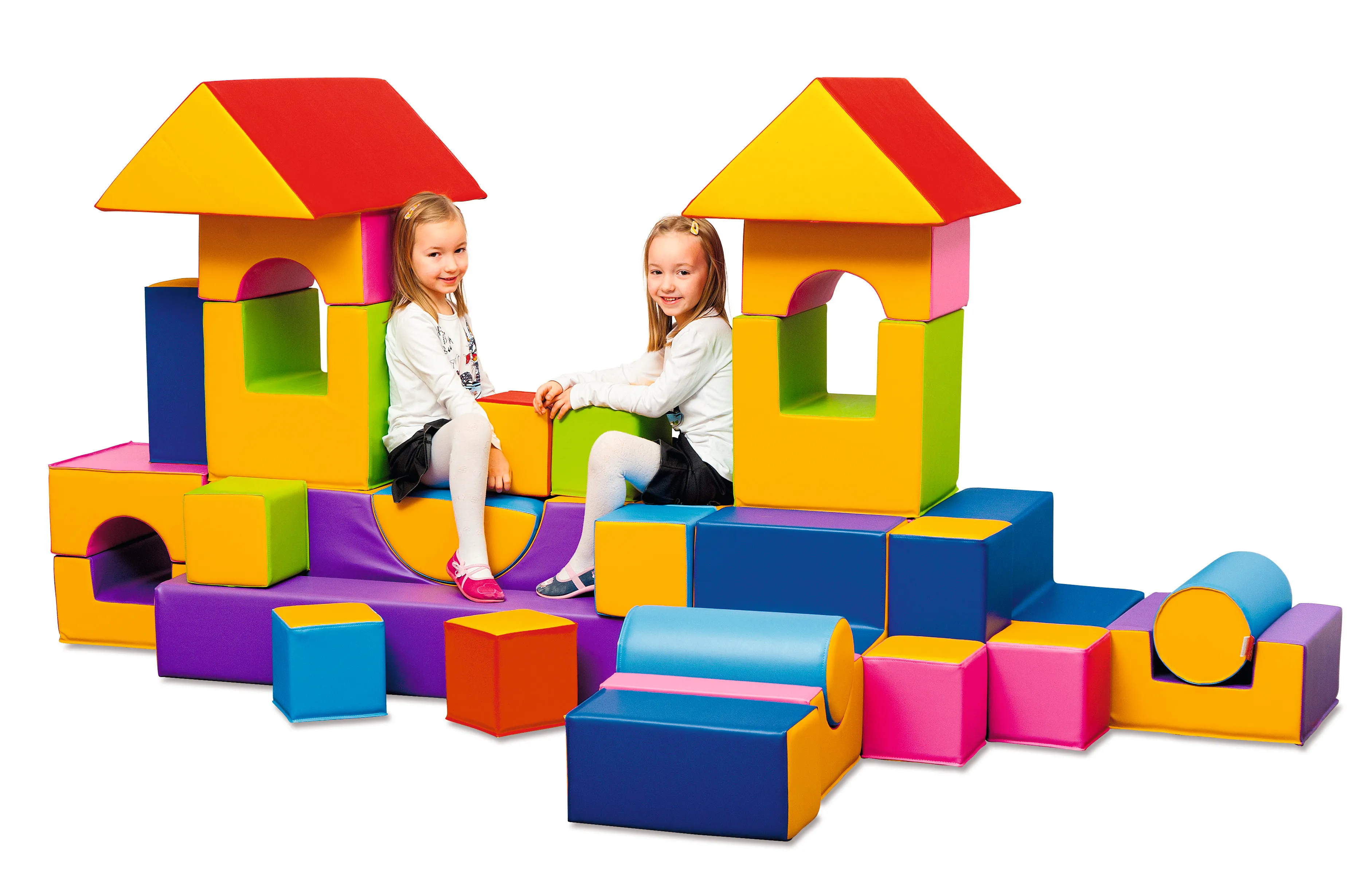
Introduction to Giant Building Blocks
Giant building blocks have become a staple in children's play areas, offering a creative outlet that combines fun with developmental benefits. These oversized blocks are usually made from soft foam, making them safe for little hands to manipulate and explore. With the right set of giant blocks, every corner of your home can become a bustling construction zone, helping children engage in active play while nurturing their creativity. For those eager to explore the many ways to enhance playtime with these unique toys, get the details on selecting the right blocks and complimentary ideas.
What are Giant Building Blocks?
Giant building blocks are larger-than-life versions of traditional building blocks. Usually crafted from lightweight soft foam or other child-safe materials, they allow kids to stack, build, and create large-scale structures without the risk of injury. Typically, these blocks come in a variety of shapes, sizes, and colors, and are designed to engage young minds in architectural creativity. What truly sets them apart is their versatility; they can be used not just for construction, but for a range of imaginative games and physical activities.
Benefits of Using Soft Foam Blocks
The advantages of incorporating soft foam blocks into a child's playtime arsenal are extensive:
- Safety: Made from non-toxic, soft materials, these blocks are lightweight and lessen the chance of injury during play.
- Developmental Skills: Playing with these blocks enhances fine motor skills, hand-eye coordination, and spatial awareness as children learn to balance and stack them.
- Encouragement of Creativity: Soft foam blocks present limitless possibilities for imaginative play, allowing kids to create whatever structures their minds conjure.
- Social Interaction: These blocks are perfect for group play, promoting teamwork as children build together, share ideas, and learn to resolve conflicts.
- Physical Activity: Handling and moving large blocks can promote gross motor skills, as engaging in lifting, stacking, and building involves a variety of physical movements.
Choosing the Right Blocks for Your Play Area
Selecting the appropriate giant building blocks can greatly influence the quality of play. Here's what to consider:
- Age Appropriateness: Choose blocks designed for the specific age range of the children who will be using them. Younger kids require softer, lighter blocks for safe play.
- Material Quality: Prioritize options that are made from high-quality, durable foam that withstands regular use and is easy to clean.
- Size of the Blocks: Larger blocks are suitable for bigger builds but ensure they are manageable for smaller hands. Mixing sizes encourages varied building experiences.
- Variety: Look for sets that include different shapes and colors, as this can inspire diverse play scenarios and enhance creativity.
- Portability: Consider how easy it is to move and store the blocks, especially if they are to be used in different areas or taken outdoors.
Engaging Play Ideas for Kids
DIY Building Challenges
Encouraging kids to engage in building challenges can foster a competitive spirit while having fun. Set specific goals, such as constructing the highest tower or the longest bridge using teamwork. This not only supports imaginative play but also teaches patience and planning. To elevate the challenge, introduce time limits or specific themes, spurring creativity and problem-solving skills as they devise plans and communicate as a team.
Creative Storytelling with Blocks
Transform giant building blocks into the canvas for storytelling. Children can narrate their own tales while constructing settings for their characters. They might build a castle for a princess or a spaceship for an adventurous astronaut. This not only encourages creativity but also improves verbal skills as they articulate their stories. Adult involvement can enhance engagement by providing prompts or themes to guide their building and narratives.
Building Games for Group Play
These blocks are perfect for collaborative games such as “Block Relay” or “Team Towers.” In “Block Relay,” teams race to transport blocks from one side of the play area to another without dropping them, which builds cooperation and strategic thinking. “Team Towers” involves working together to build the tallest tower possible before time runs out. Such group activities enhance social skills, including sharing, negotiation, and teamwork, crucial components of childhood development.
Designing a Play Space
Safety Considerations in Design
When designing a play space that incorporates giant building blocks, safety should always come first. Make sure to:
- Utilize soft flooring, like foam mats or carpet, to cushion falls.
- Ensure ample space to prevent overcrowding and accidents.
- Regularly inspect the area for hazards, keeping the surfaces clear of debris.
- Supervise children during play to enforce safety rules.
Color Schemes to Inspire Creativity
The colors used in a play space have a psychological impact on children. Bright, vibrant colors can stimulate creativity and energy, while cooler tones might make the environment calming and inviting. Consider utilizing a palette that includes primary colors along with some pastels. This integration encourages imaginative play while creating a visually stimulating environment.
Incorporating Other Play Elements
Enhance a play area by incorporating other elements such as slides, climbing structures, or playhouses. A balanced play environment encourages exploration and diverse play patterns. Integrating ramps or tunnels can add more complexity and allow children to engage with the blocks in new ways, bolstering their capacity for imaginative play.
Maintaining and Caring for Your Blocks
Cleaning and Sanitizing Tips
Maintaining cleanliness is essential, especially with soft foam blocks that can attract dirt and grime. Here are tips for effective cleaning:
- Regularly wipe blocks with a damp cloth and mild soap to remove dirt.
- Consider using child-safe disinfectants occasionally to sanitize the blocks, especially if used by multiple children.
- Encourage children to practice cleanliness by returning blocks to a designated area after play, reducing the chances of excessive wear.
Storage Solutions for Easy Access
Proper storage not only protects the building blocks but also teaches children organization skills. Transparent bins or colorful storage bags can make it simple for children to identify and access blocks easily. A designated shelf or corner in a playroom can serve as a tidy area for storing blocks, helping maintain a clutter-free environment.
Recognizing Wear and Tear
Over time, even the best materials can show signs of wear and tear. Look for cracks, tears, or discolored areas on the blocks. Regularly assess blocks for safety, replacing any that might pose a risk of injury. Keeping a keen eye on the condition of the blocks ensures that children can continue to play without any dangers.
Frequently Asked Questions
Are giant building blocks safe for toddlers?
Yes, giant building blocks made from soft foam are designed specifically for toddlers, providing a safe, lightweight option for imaginative play while minimizing injury risks.
How do you clean soft foam blocks?
Clean soft foam blocks by wiping them with a damp cloth and mild soap. For better sanitation, use a child-safe disinfectant periodically.
What are the best play scenarios for mixed-age groups?
Activities like team building challenges or storytelling themed construction encourage collaboration between different age groups, enabling older kids to mentor younger ones.
How can I encourage creative play with blocks?
Set themed challenges, provide building prompts, or suggest storylines to encourage imaginative construction, sealing the bond between creativity and play.
Where can I purchase high-quality foam building blocks?
High-quality foam building blocks can be found at specialized toy stores or online retailers that focus on educational play products, ensuring safety and durability.